The civil-rights activists planned to change the world, not just the country
Share
Explore Our Galleries









Breaking News!
Today's news and culture by Black and other reporters in the Black and mainstream media.
Ways to Support ABHM?
Keisha N. Blain, The Economist
From grassroots organisers to Martin Luther King, leaders framed their struggle in global terms, writes Keisha N. Blain
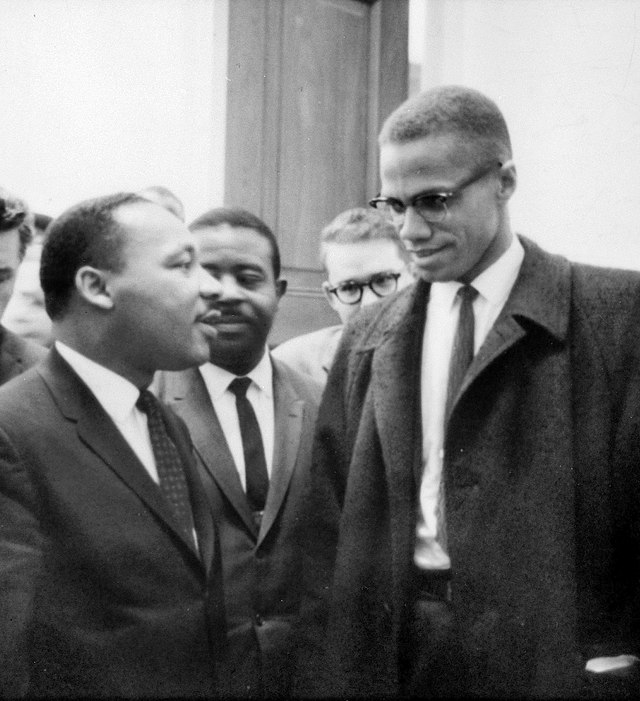
AMERICAN PUBLIC memory of the civil-rights movement of the 1950s and 1960s has long been fixed on the struggle to dismantle Jim Crow in the South. Most accounts centre on the national efforts of well-known individuals such as Rev. Martin Luther King, Jr. and Rosa Parks. King’s “I Have a Dream” speech is the movement’s defining moment, encapsulating a story about how courageous black Americans and their allies toppled legal segregation and brought an end to black disenfranchisement.
This domestic view of the movement dominates public memory and shapes much of the civil-rights curriculum in schools. However, the transformative power of the movement lies not just in how it changed America but also how it shaped—and was shaped by—the global political landscape. It became a platform from which black activists agitated for broader rights and freedom far beyond the borders of their country.
At the movement’s grassroots level—and often at its margins—black women activists were among the first to articulate an internationalist vision. In 1951 the Sojourners for Truth and Justice emerged as a radical left-wing civil-rights organisation. The Sojourners maintained a firm anticolonial position, openly calling for America to withdraw its support from countries that uphold systems of white colonial rule.
The Sojourners saw the South African resistance to apartheid as parallel to their own fight against white supremacy. They joined anti-apartheid demonstrations in front of the South African consulate in New York, wrote to several South African activists to express solidarity and sent letters denouncing apartheid to President Harry Truman and members of the UN South African delegation. Though the movement dissolved after just a year, amid intense pressure during the government’s anti-communist crackdown, the Sojourners represented one of the earliest and most radical articulations of internationalism within the civil-rights movement.
Where the Sojourners demonstrated international solidarity through collective action and direct protest, Marguerite Cartwright wielded a different instrument: her pen
Learn more about how these people and their activism have often faded from memory.
Check out this video about Cartwright.
Discover other organizations in the 60s through the 80s and see what activism looked like in Milwaukee.
Comments Are Welcome
Note: We moderate submissions in order to create a space for meaningful dialogue, a space where museum visitors – adults and youth –– can exchange informed, thoughtful, and relevant comments that add value to our exhibits.
Racial slurs, personal attacks, obscenity, profanity, and SHOUTING do not meet the above standard. Such comments are posted in the exhibit Hateful Speech. Commercial promotions, impersonations, and incoherent comments likewise fail to meet our goals, so will not be posted. Submissions longer than 120 words will be shortened.
See our full Comments Policy here.