Historic photos of African-American gay men unearthed
Share
Explore Our Galleries









Breaking News!
Today's news and culture by Black and other reporters in the Black and mainstream media.
Ways to Support ABHM?
SIMIOJU, The Grio
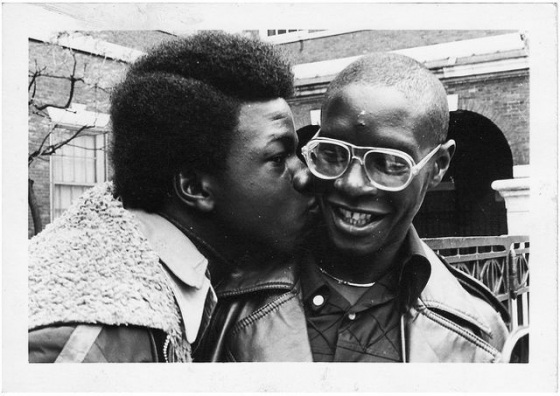
Hidden in the Open is photo essay and collection of African-American gay male couples throughout history going as far back as the 19th century. Trent Kelley, the collector and historian, notes that “some of these images are sure to be gay and others may not. The end result is speculative at best for want in applying a label. Not every gesture articulated between men was an indication of male to male intimacies. Assuredly, what all photographs in this book have in common are signs of Afro American male affection and love that were recorded for posterity without fear and shame.”
“I want the world to see the photographs. I want the black gay community to see the photographs and men in particular so they know they have a history to be proud of,” says Kelley.
Many of the photos are in black and white. As you contextualize each photo with the time and era that they were taken, you see that these men faced possible racial violence. The affection in many of the photos are subtle and even in some cases, hard to see. But Kelley notes that on the back of one photo was written “my special friend.” The collection of photos presents a history of affectionate African-American men within the United States.
Check out the original article.
See more historic images in our galleries.
Comments Are Welcome
Note: We moderate submissions in order to create a space for meaningful dialogue, a space where museum visitors – adults and youth –– can exchange informed, thoughtful, and relevant comments that add value to our exhibits.
Racial slurs, personal attacks, obscenity, profanity, and SHOUTING do not meet the above standard. Such comments are posted in the exhibit Hateful Speech. Commercial promotions, impersonations, and incoherent comments likewise fail to meet our goals, so will not be posted. Submissions longer than 120 words will be shortened.
See our full Comments Policy here.