Harris takes a question about her identity as an opportunity to examine Trump’s record on race
Share
Explore Our Galleries









Breaking News!
Today's news and culture by Black and other reporters in the Black and mainstream media.
Ways to Support ABHM?
By Char Adams, NBC
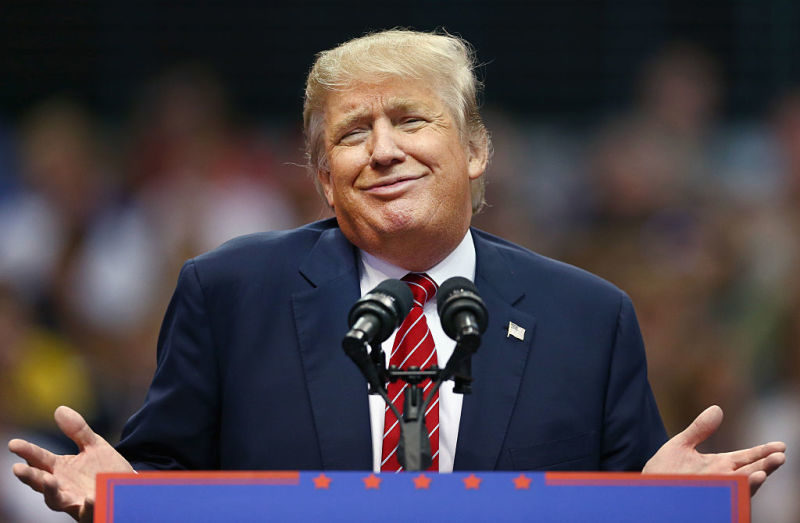
Donald Trump doubled down on questioning Kamala Harris’ race during Tuesday night’s presidential debate and refused to acknowledge his past comments about her identity.
Trump said “I don’t care what she is” when moderator David Muir asked him why he believed it was appropriate to weigh in on Harris’ heritage.
“Whatever she wants to be is OK with me,” Trump said. When Muir referred to Trump’s comments last month claiming Harris “turned Black” for political gain, Trump said, “I don’t know.”
“All I can say is I read where she was not Black that she put out. I’ll say that. And then I read that she was Black, and that’s OK. Either one was OK with me.”
Trump made the initial comments in an interview at the National Association of Black Journalists convention.
“She was only promoting Indian heritage,” he said then. “I didn’t know she was Black until a number of years ago, when she happened to turn Black, and now she wants to be known as Black.”
[…]
In response, Harris said Tuesday that Trump had a divisive history with race that she described as “tragic.” She highlighted that Trump discriminated against Black people looking to live in one of his father’s buildings. And she chided him for calling for the “Exonerated Five,” previously known as the “Central Park Five,” to face the death penalty.
“I think the American people want better than that, want better than this,” Harris said.
Comments Are Welcome
Note: We moderate submissions in order to create a space for meaningful dialogue, a space where museum visitors – adults and youth –– can exchange informed, thoughtful, and relevant comments that add value to our exhibits.
Racial slurs, personal attacks, obscenity, profanity, and SHOUTING do not meet the above standard. Such comments are posted in the exhibit Hateful Speech. Commercial promotions, impersonations, and incoherent comments likewise fail to meet our goals, so will not be posted. Submissions longer than 120 words will be shortened.
See our full Comments Policy here.