Gullah Geechee Community Finally Credited with the Song “Kumbaya”
Share
Explore Our Galleries









Breaking News!
Today's news and culture by Black and other reporters in the Black and mainstream media.
Ways to Support ABHM?
By Anne C. Bailey, annecbailey.net
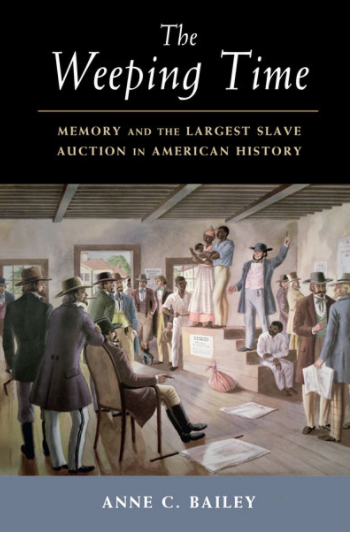
Many a camper in America and around the world know the camp favorite, “kumbaya.” It is known as a song of peace, a song of community. Few may know, however, that the song was first recorded by descendants of slaves in the Gullah Geechee community of Darien in Southeastern Georgia. Over the last ten years, I have had the pleasure of interviewing and listening to members of this community for my book, The Weeping Time: Memory and the Largest Slave Auction in American History.
The Gullah Geechees have now been credited with the song’s origin and a resolution recognizing Georgia’s first state historical song has been enacted. Gullah Geechee native and Mayor Protem of Darien Georgia, Rev. Griffin Lotson, did the research and with representatives of the Folklife Center in the Library of Congress found the first original wax cylinder recording. Listen to it here.
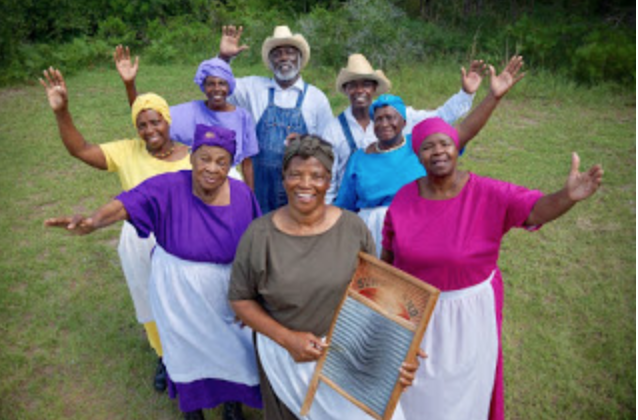
Gullah Geechee Ring Shouters, who share the oral traditions of Southeastern Georgia and the Gullah Geechee community all over the world. www.geecheegullahringshouters.com
The story goes that Robert Winslow Gordon, a Harvard graduate who later became the first Head of the Archive of American Song at the Library of Congress, recorded the song in 1926. Henry Wylie was the singer and a member of the Gullah Geechee community. “Kumbaya” meant “Come by here” in Gullah and was a plea to God for help. In the interim years, missionaries and folk singers including Pete Seeger, Joan Baez and Odetta made the song popular around the world, but if we look closely at the lyrics, we see how similar they are to Negro spirituals. Negro spirituals or as African American scholar, W.E. B. Dubois called them, sorrow songs, were a cry for help. They were an important part of the oral tradition that allowed the enslaved to share their most intimate desires and needs with God…
Full article here
Comments Are Welcome
Note: We moderate submissions in order to create a space for meaningful dialogue, a space where museum visitors – adults and youth –– can exchange informed, thoughtful, and relevant comments that add value to our exhibits.
Racial slurs, personal attacks, obscenity, profanity, and SHOUTING do not meet the above standard. Such comments are posted in the exhibit Hateful Speech. Commercial promotions, impersonations, and incoherent comments likewise fail to meet our goals, so will not be posted. Submissions longer than 120 words will be shortened.
See our full Comments Policy here.