Ghana’s President Calls Slave Trade ‘Greatest Crime,’ Pushes U.N. for Reparations
Share
Explore Our Galleries









Breaking News!
Today's news and culture by Black and other reporters in the Black and mainstream media.
Ways to Support ABHM?
By Adam Mahoney, CapitalB
For Black Americans, the motion — backed by a coalition of world leaders — intensifies calls to confront slavery’s enduring costs.
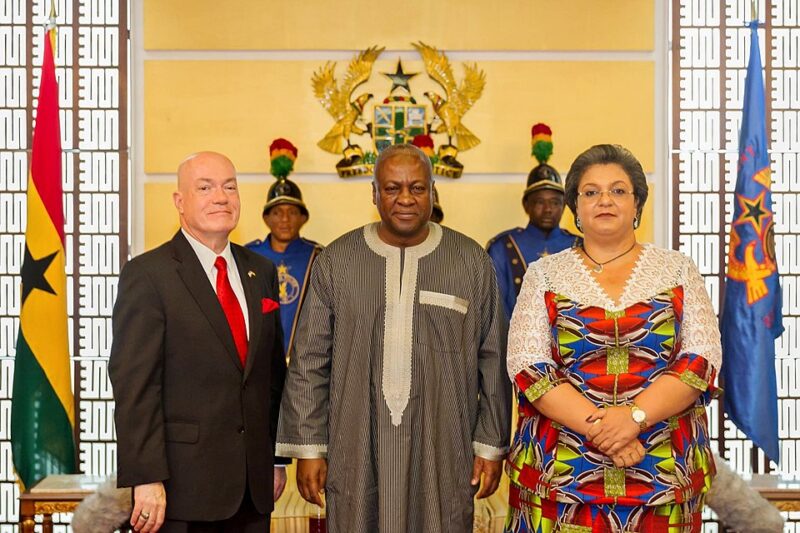
In a first coordinated African-led effort at the United Nations, leaders have declared the Transatlantic Slave Trade as “the greatest crime against humanity” and called for reparations.
African leaders recently took the global stage at the U.N.’s General Assembly in New York, where Ghana’s president, John Dramani Mahama, announced plans to submit the first formal motion demanding reparative justice.
The motion will challenge the international community to endorse concrete U.N.-backed compensation for the historical and ongoing injustices faced by Africans on the continent and people of African descent globally, namely Black Americans.
If the U.N. advances a global reparations framework, it could strengthen calls for federal acknowledgment and redress for slavery’s legacy in the United States. International leaders hope it will put pressure on American policymakers to act.
For Black Americans, these developments offer hope for both recognition and material compensation for centuries of stolen labor, economic exclusion, and ongoing inequity.
“Reparatory justice is not about pity,” Mahama said. “It is about recognition, responsibility, and restitution. The descendants of Africa deserve the dignity of acknowledgement and the fairness of redress.”
Learn about the previous Empire of Ghana.
Comments Are Welcome
Note: We moderate submissions in order to create a space for meaningful dialogue, a space where museum visitors – adults and youth –– can exchange informed, thoughtful, and relevant comments that add value to our exhibits.
Racial slurs, personal attacks, obscenity, profanity, and SHOUTING do not meet the above standard. Such comments are posted in the exhibit Hateful Speech. Commercial promotions, impersonations, and incoherent comments likewise fail to meet our goals, so will not be posted. Submissions longer than 120 words will be shortened.
See our full Comments Policy here.