Fears for civil rights as Trump taps Maga darling for key justice department role
Share
Explore Our Galleries









Breaking News!
Today's news and culture by Black and other reporters in the Black and mainstream media.
Ways to Support ABHM?
By George Chidi, The Guardian
The history of the justice department’s civil rights division is the product of lynchings, aged patients dying of neglect, and police officers murdering people in the street. It is the legacy of Matthew Shepard and Breonna Taylor and Emmett Till.
When local authorities would not investigate civil rights violations – or were violating rights themselves – communities have had to rely on federal investigators to fill the gap in justice. The question these communities will ask over the next four years is who the civil rights division under Donald Trump will protect.
Trump plans to tap a loyalist whose civil rights résumé largely consists of culture-war battles over campus free-speech issues and attacks on diversity initiatives to helm the justice department’s civil rights division. The move puts at risk hundreds of active investigations, from police misconduct to employment and housing discrimination to abuses in jails and prisons.
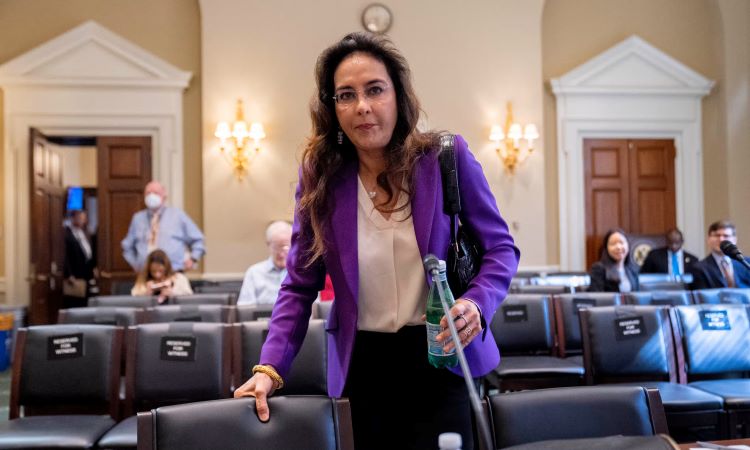
Trump intends to replace the assistant attorney general, Kristen Clarke, the current chief of the civil rights division and the first Black woman to lead the division, with Harmeet Dhillon, a Maga darling and fixture in rightwing media.
Read about the history of the fight for civil rights.
Follow the political and social climate in our breaking news archive.
Comments Are Welcome
Note: We moderate submissions in order to create a space for meaningful dialogue, a space where museum visitors – adults and youth –– can exchange informed, thoughtful, and relevant comments that add value to our exhibits.
Racial slurs, personal attacks, obscenity, profanity, and SHOUTING do not meet the above standard. Such comments are posted in the exhibit Hateful Speech. Commercial promotions, impersonations, and incoherent comments likewise fail to meet our goals, so will not be posted. Submissions longer than 120 words will be shortened.
See our full Comments Policy here.