Even at 1%, new tax will burden African immigrants who send money back home
Share
Explore Our Galleries









Breaking News!
Today's news and culture by Black and other reporters in the Black and mainstream media.
Ways to Support ABHM?
By Eden Harris, NBC
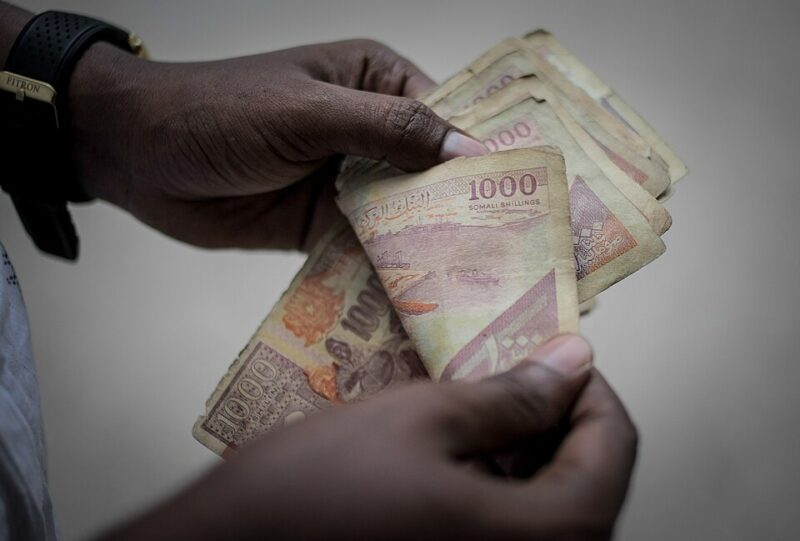
Diaspora Africans in the U.S. fear the tax will make it harder to send funds for babies, food and health care back home.
.jpg)
A new remittance tax set to begin in the new year has one university student reeling from the implications it will have for her family in Nigeria.
Edidiong Chrys, a second-generation Nigerian American, said she thinks the 1% tax passed as part of President Donald Trump’s “big, beautiful bill” would directly affect the financial lifeline she sends overseas. This tax will be applied to anyone in the U.S. who sends money abroad.
“We regularly send money home to support loved ones, including our elders, children in school, newborns and others in need,” she said.
Chrys, 38, said some of the funds sent home have gone to new parents in her family, helping ease the cost of food and traveling to doctors’ appointments. The funds also help her uncle, who has a job but also must pay for his five daughters, who are all in school. He and his wife work, but it’s still not enough “to accommodate all the things that need to hold the household down,” Chrys said.
And then there’s Chrys’ 80-year-old grandmother, who was weathering back pain when Chrys visited in January.
“We are paying for the live-in nurse to help her during the week,” she said. “That’s an additional expense that we need to have for her so that she’s not bending over.”
The tax applies to anyone in the U.S. who sends remittances to their home countries. In 2023, remittances from the U.S. totaled $98 billion, according to the World Bank. Chrys contributes to the $56 billion in remittances sub-Saharan Africa received from people around the world last year. In fact, she said she regularly remits cash — more than 50 times a year — to family and friends.
The Center for Global Development, a nonpartisan think tank that focuses on reducing global poverty through economic research, published an analysis last month that listed the tax as yet another financial setback for many nations, given the recent reduction in American aid.
Learn about Black history, from Africa to contemporary times.
Discover more news like this.
Comments Are Welcome
Note: We moderate submissions in order to create a space for meaningful dialogue, a space where museum visitors – adults and youth –– can exchange informed, thoughtful, and relevant comments that add value to our exhibits.
Racial slurs, personal attacks, obscenity, profanity, and SHOUTING do not meet the above standard. Such comments are posted in the exhibit Hateful Speech. Commercial promotions, impersonations, and incoherent comments likewise fail to meet our goals, so will not be posted. Submissions longer than 120 words will be shortened.
See our full Comments Policy here.