Elisa Shankle Is Encouraging Her Community To Be Brave And Heal
Share
Explore Our Galleries









Breaking News!
Today's news and culture by Black and other reporters in the Black and mainstream media.
Ways to Support ABHM?
By Julia Craven, Huffington Post
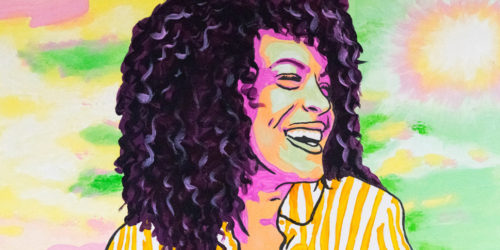
Elisa Shankle has experienced the power of embedding herself within a community ― and working to heal it.
She usually starts small. Someone walks into HealHaus, a multifaceted wellness space Shankle co-founded in Brooklyn, to grab a smoothie. Once they ask what’s in it, Shankle educates them on the power of adaptogens before encouraging them to try one that tends to any ailment they may have (such as anxiety).
HealHaus aims to ease black people and other marginalized folks interested in improving their mental, emotional and physical health into the wellness world and help them feel at home….
Shankle told me that creating a holistic space where black folks feel welcomed and safe was a “natural inclination.” Like many black women, she is reaching in deep and pulling her community up to the surface. She is acutely aware of the immense power of collective mending and how easily change can diffuse through a group of people committed to transformation.
For Women’s History Month, Shankle and I spoke in-depth about healing, community and the courage it takes to be vulnerable.
[Shankle says,] “What we’re doing is building community around healing. Our space is very community-oriented. It’s not the type of space where you know you come and you just wanna … you don’t have to leave, you know? It’s not a get-in-and-out type of place. You can connect with people. You can build with people or create a space that feels like home….”
Read the full interview here
Hear about more inspirational yet unsung black women here
Read more Breaking News here
View more galleries from ABHM here
Comments Are Welcome
Note: We moderate submissions in order to create a space for meaningful dialogue, a space where museum visitors – adults and youth –– can exchange informed, thoughtful, and relevant comments that add value to our exhibits.
Racial slurs, personal attacks, obscenity, profanity, and SHOUTING do not meet the above standard. Such comments are posted in the exhibit Hateful Speech. Commercial promotions, impersonations, and incoherent comments likewise fail to meet our goals, so will not be posted. Submissions longer than 120 words will be shortened.
See our full Comments Policy here.