Three Centuries Of Enslavement
Milton House: An Underground Railroad “Station” in Wisconsin
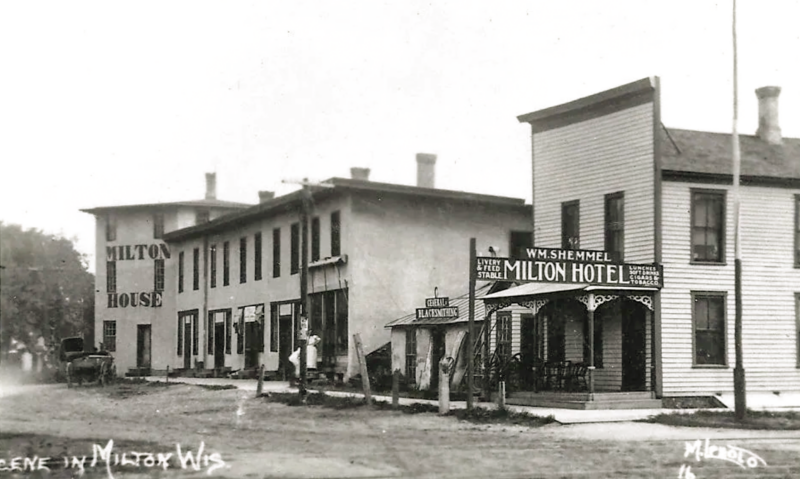
What did it feel like to flee slavery and place your life in the hands of strangers? Through the story of Wisconsin’s Milton House, this exhibit explores the courage of Freedom Seekers, the dangers they faced, and the network of people who risked everything to help them reach freedom. Descend into a historic Underground Railroad tunnel and discover how one small town became part of a much larger struggle for liberation.
Read MoreThe Published Medical Discoveries of the Enslaved Dr. Caesar
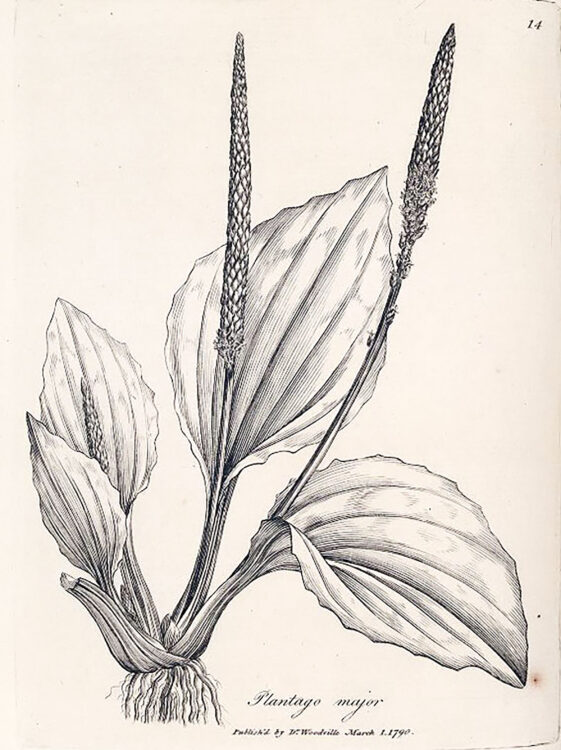
Despite his enslavement, Dr. Caesar made gained recognition for his important scientific contributions, especially those about the natural world, that continue to influence modern medical science.
Read MoreTraces of the Trade: The North’s Complicity in Slavery
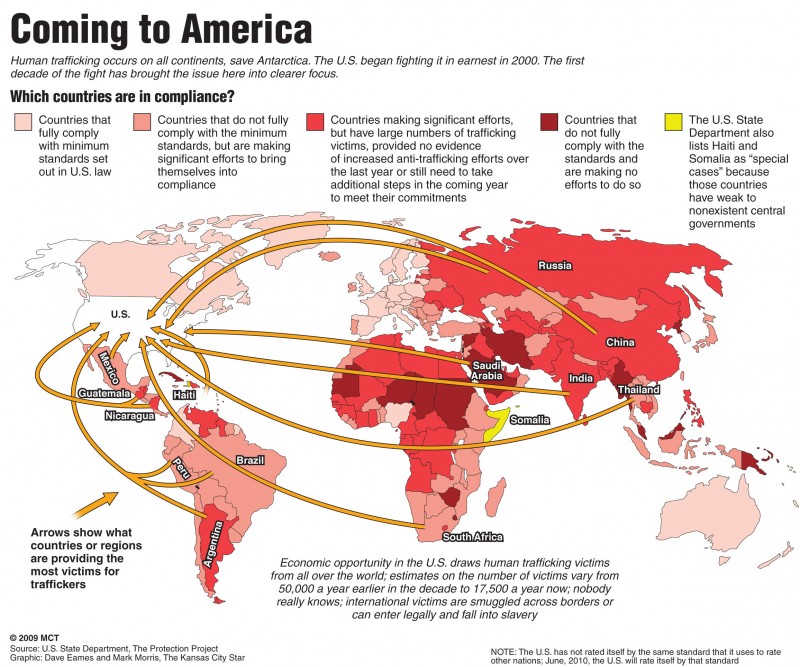
Learn about the significant complicity of the northern states in the slave trade and slaveholding in the history of slavery in the United States. Many northern industries and business were dependent on slave labor in both the North and South. Northern consumers were dependent on the products of this slave labor for food, clothing, and amenities like rum and sugar.
Read MoreNat Turner’s Rebellion: Horrific or Heroic?
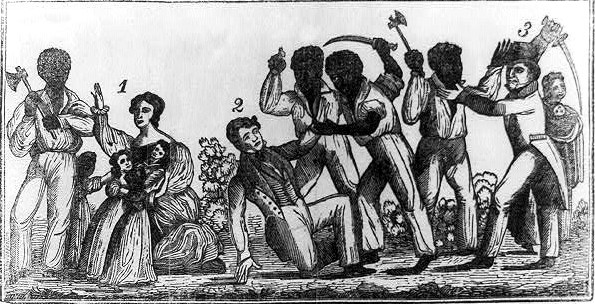
This is the story of one of the largest rebellions by enslaved Africans in American history. It is also the story of historiography–how the past is researched, viewed, and written about.
Read MoreThe Freedmen of Wisconsin
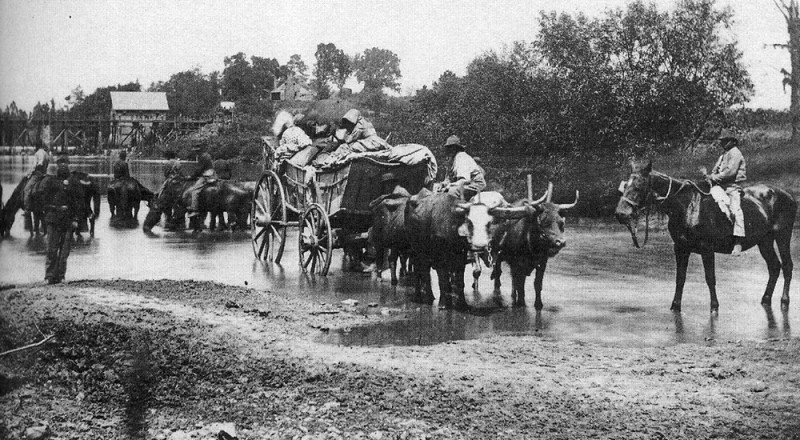
Some stories of the thousands of slaves who freed their families by escaping to Union lines. Why and how they came to settle and thrive in rural Wisconsin.
Read MoreThe Scourged Back: How Runaway Slave and Soldier Private Gordon Changed History
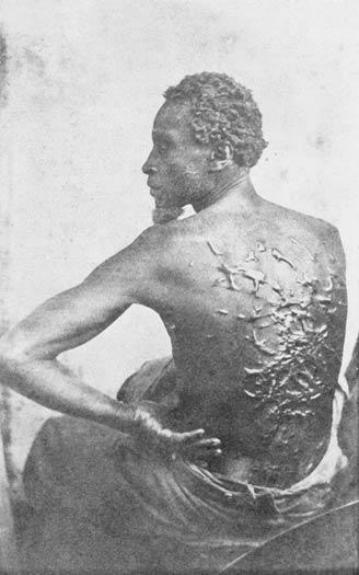
This famous photograph communicated a powerful message about the so-called “peculiar institution”—undermining the notion that slavery was benign.
Read MoreFrederick Douglass: “The Meaning of July Fourth for the Negro”
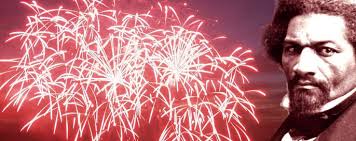
On July 5, 1852, abolitionist and ex-slave Frederick Douglass gave this famously pointed speech at an event commemorating the signing of the Declaration of Independence. He told his white audience, “This Fourth of July is yours, not mine. You may rejoice, I must mourn.”
Read MoreHow Slavery Became the Law of the Land “For Blacks Only”
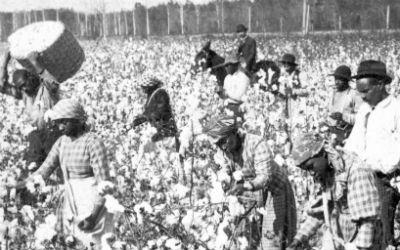
The system of basing slavery on a person’s race did not occur in the first years of European settlement in America. However, by the 1660s, slavery was instituted and reserved for Africans only. How did this happen?
Read MoreA 1859 Slave Auction in Savannah, as Reported by the New York Tribune
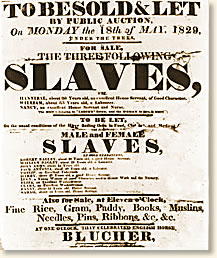
In early March 1859 an enormous slave action took place at the Race Course three miles outside Savannah, Georgia. Four hundred thirty-six slaves were to be put on the auction block including men, women, children and infants. Word of the sale had spread through the South for weeks, drawing potential buyers from North and South Carolina, Virginia, Georgia, Alabama and Louisiana. All of Savannah’s available hotel rooms and any other lodging spaces were quickly appropriated by the influx of visitors. In the days running up to the auction, daily excursions were made from the city to the Race Course to inspect, evaluate and determine an appropriate bid for the human merchandise on display.
Read MoreBibliography – Three Centuries of Enslavement
These resources can help you learn more about what it meant to be enslaved – and how people resisted the “peculiar institution” of slavery.
Read More