Can This Chicago Preacher Save ‘The Blacksonian’?
Share
Explore Our Galleries









Breaking News!
Today's news and culture by Black and other reporters in the Black and mainstream media.
Ways to Support ABHM?
By Rev. Dorothy S. Boulware, Word in Black
President Donald Trump’s crusade against diversity has attacked nearly everything touching on race, from freezing federal investigations of civil rights violations to scrubbing Harriet Tubman from a website on the Underground Railroad.
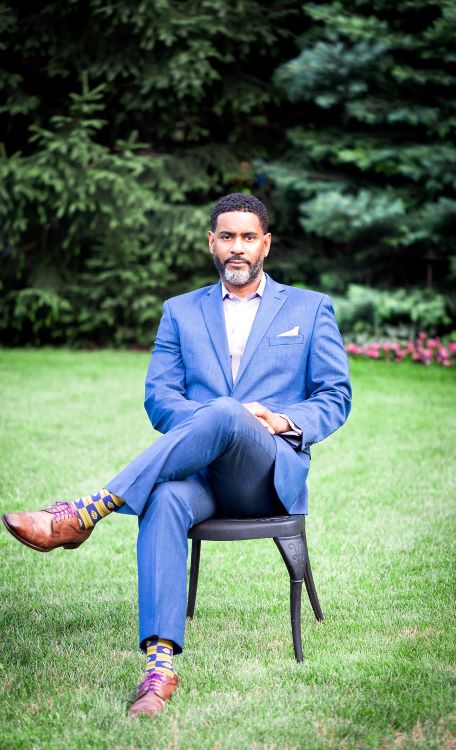
But when he came for the Smithsonian Museum’s National Museum of African American History and Culture in Washington, D.C. — a.k.a. The Blacksonian — Rev. Dr. Otis Moss III, senior pastor of Trinity United Church of Christ in Chicago, came up with a backup plan.
On March 27, Trump signed an executive order, “Restoring Truth and Sanity to American History,” declaring NMAAHC — one of the most popular attractions in Washington, with some 3 million visitors a year — and a few others as institutions that divide America. The order states that the museums undermine the nation’s “remarkable” history by casting it “in a negative light,” and directs Vice President JD Vance to clear the museum of its liberal “ideology.”
[…]
Enter Rev. Moss — and the Trinity congregation.
Last Sunday, Moss came to the rescue of NMAAHC by announcing that Trinity “is placing the museum in our annual budget.” He then asked parishioners to join him by donating $25 to the museum, the price of a basic membership, to show their faith.
It’s good news, given that the National Museum of African American History and Culture is not a federal institution and is principally funded by donations. Only a small portion of its financial support comes from the federal government.
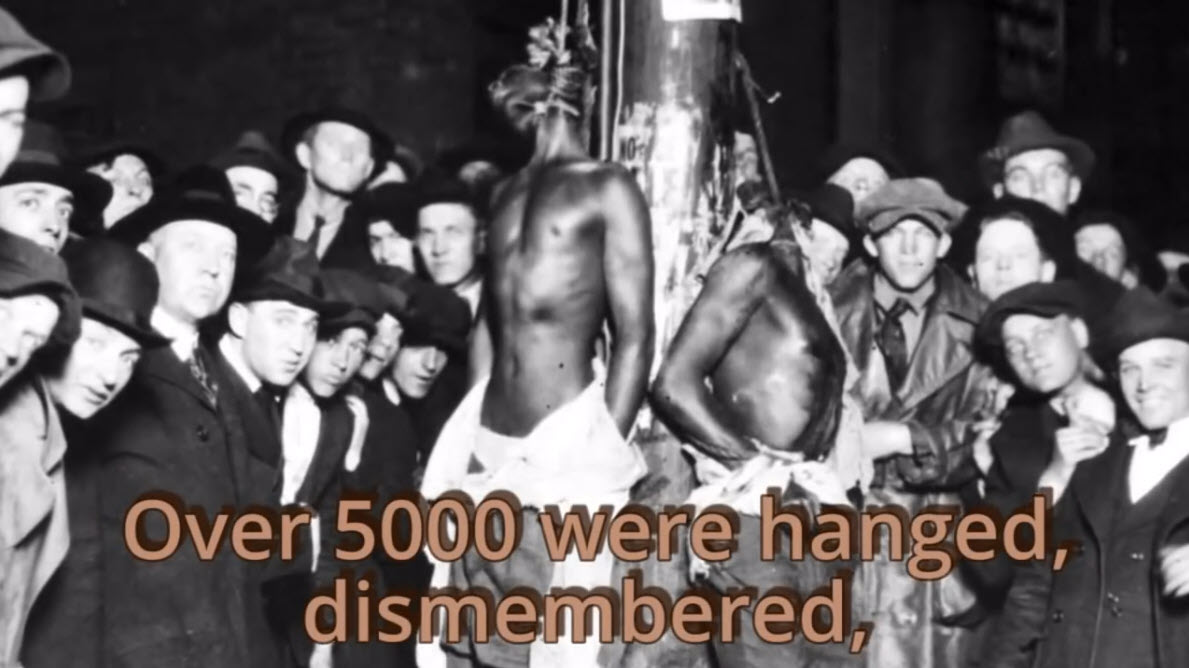
Discover Black history from Africa before slavery to the Jim Crow era.
Follow changes in the government in our breaking news archive.
Comments Are Welcome
Note: We moderate submissions in order to create a space for meaningful dialogue, a space where museum visitors – adults and youth –– can exchange informed, thoughtful, and relevant comments that add value to our exhibits.
Racial slurs, personal attacks, obscenity, profanity, and SHOUTING do not meet the above standard. Such comments are posted in the exhibit Hateful Speech. Commercial promotions, impersonations, and incoherent comments likewise fail to meet our goals, so will not be posted. Submissions longer than 120 words will be shortened.
See our full Comments Policy here.