Braving Ebola

Share

Explore Our Galleries

An NAACP flyer campaigning for the Dyer Anti-Lynching Bill, which passed the U.S. House of Representatives in 1922, but was filibustered to defeat in the Senate. Dyer, the NAACP, and freedom fighters around the country, like Flossie Baily, struggled for years to get the Dyer and other anti-lynching bills passed, to no avail. Today there is still no U.S. law specifically against lynching. In 2005, eighty of the 100 U.S. Senators voted for a resolution to apologize to victims' families and the country for their failure to outlaw lynching. Courtesy of the National Association for the Advancement of Colored People (NAACP).
Some Exhibits to Come – One Hundred Years of Jim Crow
Mammy Statue JC Museum Ferris
Bibliography – One Hundred Years Of Jim Crow
Claude, age 23, just months before his 1930 murder. Courtesy of Faith Deeter.
Freedom’s Heroes During Jim Crow: Flossie Bailey and the Deeters
Souvenir Portrait of the Lynching of Abram Smith and Thomas Shipp, August 7, 1930, by studio photographer Lawrence Beitler. Courtesy of the Indiana Hisorical Society.
An Iconic Lynching in the North
Lynching Quilt
Claxton Dekle – Prosperous Farmer, Husband & Father of Two
Ancient manuscripts about mathematics and astronomy from Timbuktu, Mali
Some Exhibits to Come – African Peoples Before Captivity
Shackles for Adults & Children from the Henrietta Marie
Some Exhibits to Come – The Middle Passage
Slaveship Stowage Plan
What I Saw Aboard a Slave Ship in 1829
Arno Michaels
Life After Hate: A Former White Power Leader Redeems Himself

Breaking News!

Today's news and culture by Black and other reporters in the Black and mainstream media.

Ways to Support ABHM?

Photographs and interviews by DANIEL BEREHULAK, New York Times
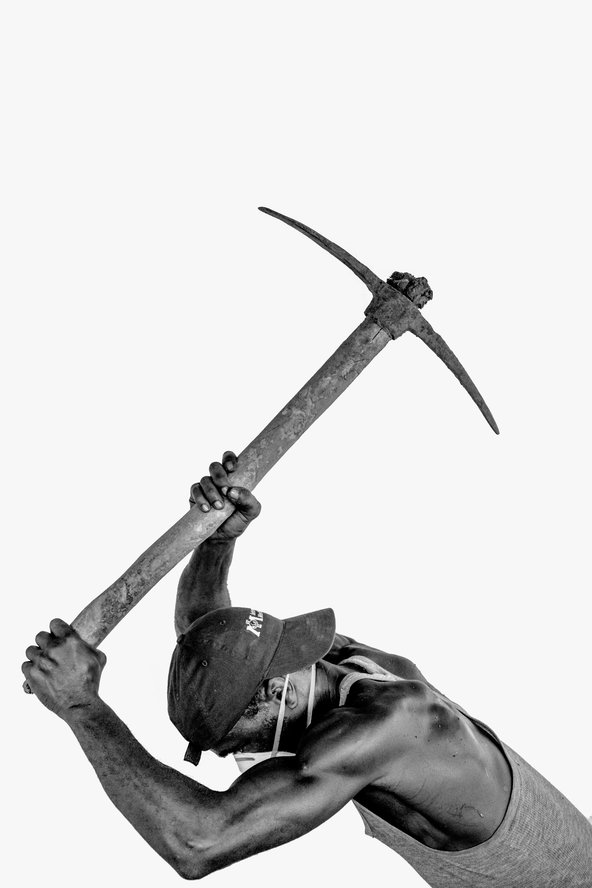
"I came here to look for a job to help my family. Some were afraid to come here, and I took the chance. I focus on my work. I can’t feel nothing when I’m working." Otis Bah, 41, gravedigger
“I came here to look for a job to help my family. Some were afraid to come here, and I took the chance. I focus on my work. I can’t feel nothing when I’m working.”
Otis Bah, 41, gravedigger

The patients arrive, at first fearful of the people in spacesuits whose faces they cannot see. They wait for test results, for the next medical rounds, for symptoms to appear or retreat. They watch for who recovers to sit in the courtyard shade and who does not. They pray.

The workers offer medicine, meals, cookies and comfort. They try to make patients smile. Very, very carefully, they start IVs. They spray chlorine, over and over, and they dig graves. They pray.

These are the people of one Ebola clinic in rural Liberia. Run by the American charity International Medical Corps, the clinic rose in September out of a tropical forest. It now employs more than 170 workers, a mix of locals and foreigners, some of them volunteers. There are laborers trying to make money for their families, university students helping because Ebola has shut down their schools, and American doctors who, after years of studying outbreaks, are seeing Ebola’s ravages in person for the first time. A mobile laboratory operated by the United States Navy has set up shop at a shuttered university. Now, test results come back in a matter of hours instead of several days.
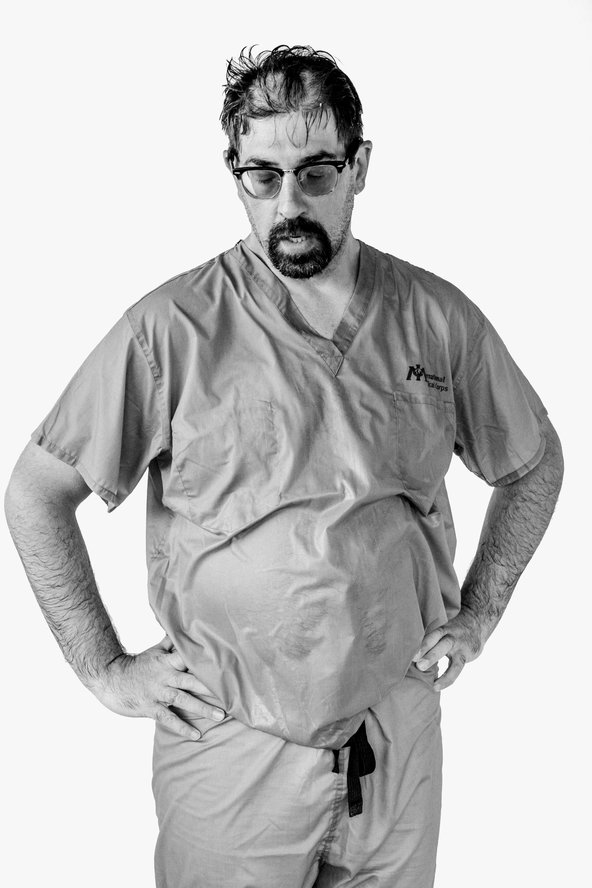
"I have dreams in the middle of the night, waking up in the Ebola ward as a patient. I’ve had dreams where I’m in the ward without any gear, just standing there in my pants and shirt. But I like getting up in the morning, and I like coming here. I think we’re actually making a difference for these people." Steven Hatch, 45, physician from Boston
“I have dreams in the middle of the night, waking up in the Ebola ward as a patient. I’ve had dreams where I’m in the ward without any gear, just standing there in my pants and shirt. But I like getting up in the morning, and I like coming here. I think we’re actually making a difference for these people.”
Steven Hatch, 45, physician from Boston

Some of the workers will stay a few more weeks, or until the end of the year. Many of the Liberians vow to remain until the disease is gone, when they can go back to their old jobs or resume their former lives. They work toward a time after Ebola.
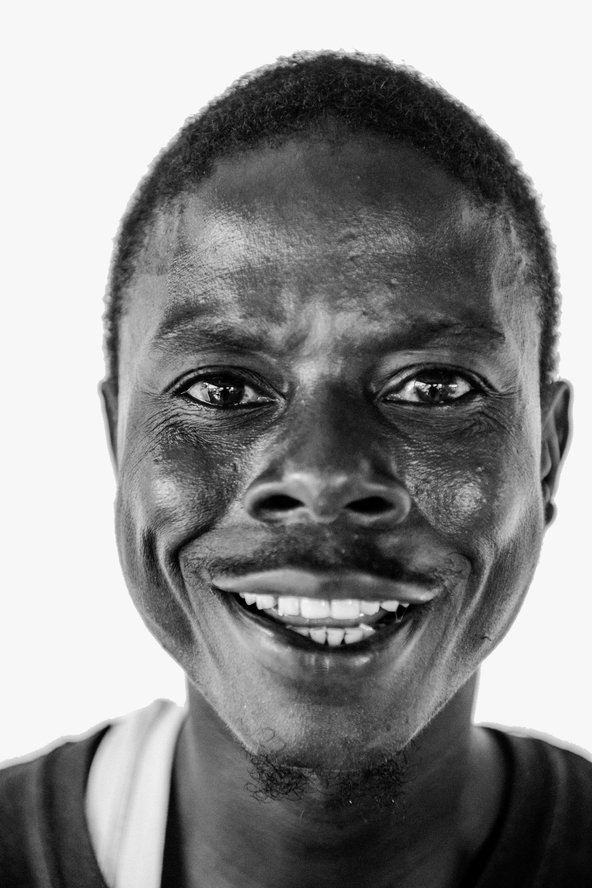
"I got up in the morning, I prayed. In the evening, I prayed. At dinner, I prayed. Prayed to get well. Yesterday they said, 'You, you’re free.' I danced, I jumped." George Beyan, 34, Ebola survivor
“I got up in the morning, I prayed. In the evening, I prayed. At dinner, I prayed. Prayed to get well. Yesterday they said, ‘You, you’re free.’ I danced, I jumped.”
George Beyan, 34, Ebola survivor

Read full article here.

Read more Breaking News here

Comments Are Welcome

Note: We moderate submissions in order to create a space for meaningful dialogue, a space where museum visitors – adults and youth –– can exchange informed, thoughtful, and relevant comments that add value to our exhibits.

Racial slurs, personal attacks, obscenity, profanity, and SHOUTING do not meet the above standard. Such comments are posted in the exhibit Hateful Speech. Commercial promotions, impersonations, and incoherent comments likewise fail to meet our goals, so will not be posted. Submissions longer than 120 words will be shortened.

See our full Comments Policy here.

Leave a Comment







