Black queer Milwaukeeans on Netflix’s Jeffrey Dahmer series: ‘How dare you?’
Share
Explore Our Galleries









Breaking News!
Today's news and culture by Black and other reporters in the Black and mainstream media.
Ways to Support ABHM?
By Jo Yurcaba, NBC News
Eric Wynn said he dropped to his knees in tears when he saw the photos of 16 of the men and boys killed by Jeffrey Dahmer in a local Milwaukee paper in the summer of 1991.
Wynn, now 59, said that when he was 18 he would drive from his hometown in Illinois across the Wisconsin border into Milwaukee to go to gay bars. He said he was also one of the only regular Black drag performers at Club 219, a gay club that Dahmer frequented.
[…]
“They used to come in there to see me because they actually had representation,” he said of these young men.
But then, some of them stopped coming. Wynn said he didn’t think much of it at the time, but when he saw the front page of the paper on that summer’s day over three decades ago, it suddenly made sense.
“He had gotten every single one of those boys, and they were all Black,” Wynn said. “It ripped my heart out.”
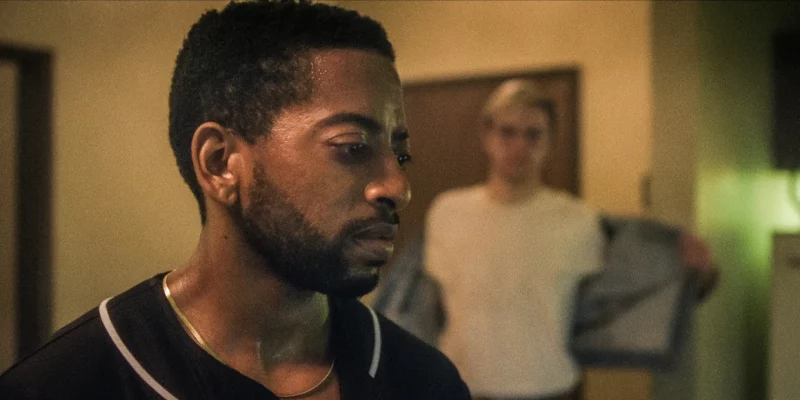
Now, 30 years later, Wynn and other Black queer people who are from or lived in Milwaukee before Dahmer’s arrest in July 1991 say they are reliving painful experiences due to a new dramatized Netflix show about the murders. “Monster: The Jeffrey Dahmer Story,” which debuted on Sept. 21, is part of the streaming giant’s Halloween offerings.
The original article can help you understand the criticism.
Many of these people also understand Milwaukee’s history of racism.
Comments Are Welcome
Note: We moderate submissions in order to create a space for meaningful dialogue, a space where museum visitors – adults and youth –– can exchange informed, thoughtful, and relevant comments that add value to our exhibits.
Racial slurs, personal attacks, obscenity, profanity, and SHOUTING do not meet the above standard. Such comments are posted in the exhibit Hateful Speech. Commercial promotions, impersonations, and incoherent comments likewise fail to meet our goals, so will not be posted. Submissions longer than 120 words will be shortened.
See our full Comments Policy here.