Memphis’ Data Center Vote Has Black Residents Feeling Betrayed
Share
Explore Our Galleries
Breaking News!
Today's news and culture by Black and other reporters in the Black and mainstream media.
Ways to Support ABHM?
Willy Blackmore, Word in Black
Residents living near Elon Musk’s massive data centers wanted an 18-month moratorium. The City Council gave them just four and a half months.
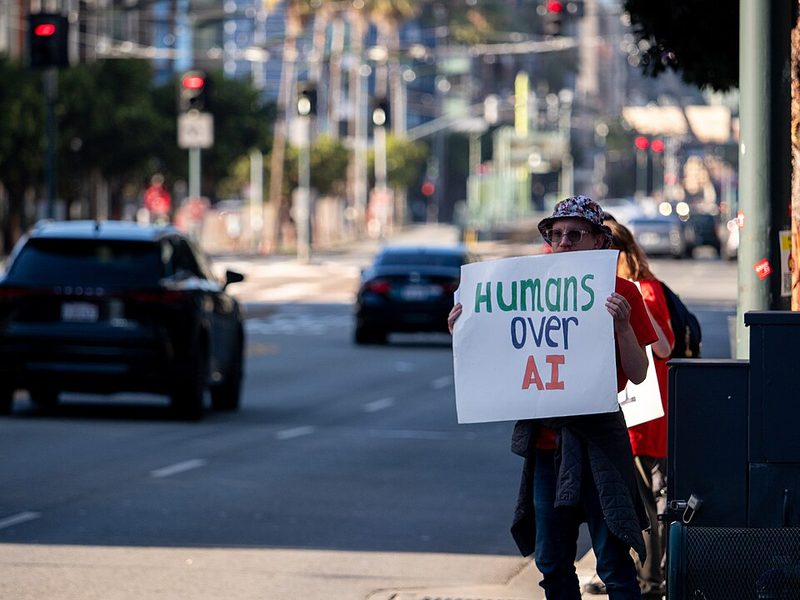
The fray over locating more AI data centers in Memphis reached a small break Oct. 20, after a long, contentious City Council meeting in which a proposed 18-month moratorium on data-center development or expansion failed and a much shorter 135-day pause passed.
“The Memphis City Council failed the people of Memphis and the mid-South tonight,” state Rep. Justin J. Pearson, a Democrat from the area, told WREG after the five-hour meeting that drew more than 400 people.
“The four-and-a-half-month moratorium, passed with rushed, piecemeal guidelines, was not what the people wanted,” he said.
Pearson, who is running for Congress in a district Republicans gerrymandered into existence, currently represents Boxtown, the historically Black neighborhood founded by freedmen in 1863. For much of the past two years, Pearson and many of his constituents have lived beside Colossus, one of Elon Musk’s three hyperscale data centers.
Each data center Musk has developed in the Memphis area is located in predominantly Black neighborhoods. Pearson has made the fight against data center development a key component of his campaign.
Even before the Memphis City Council met last Tuesday for a third and final vote on a proposed moratorium, the question was who would be allowed in the City Council chambers.
Earlier in October, activists on both sides packed the room for the expected final vote. When the council voted to delay the decision, the meeting plunged into chaos, with heated exchanges between council members and moratorium supporters in the crowd. The council decided to delay the final vote to Oct. 20.
But Pearson and five other residents who attended that meeting later received letters banning them from the next two meetings. A federal judge partly overturned the ban just hours before the council convened on Oct. 20.
Read the full article here.
Read more about pollution and environmental racism and one community’s fight against it.
Comments Are Welcome
Note: We moderate submissions in order to create a space for meaningful dialogue, a space where museum visitors – adults and youth –– can exchange informed, thoughtful, and relevant comments that add value to our exhibits.
Racial slurs, personal attacks, obscenity, profanity, and SHOUTING do not meet the above standard. Such comments are posted in the exhibit Hateful Speech. Commercial promotions, impersonations, and incoherent comments likewise fail to meet our goals, so will not be posted. Submissions longer than 120 words will be shortened.
See our full Comments Policy here.