Author Alice Sebold apologizes to Anthony Broadwater, wrongfully convicted of raping her
Share
Explore Our Galleries









Breaking News!
Today's news and culture by Black and other reporters in the Black and mainstream media.
Ways to Support ABHM?
By Biba Adams, The grio
Broadwater’s 1982 conviction was overturned last week after authorities determined there were serious flaws in his prosecution.
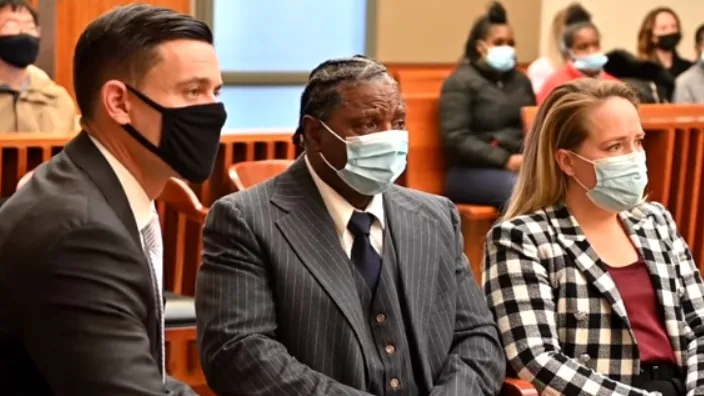
Anthony Broadwater served 16 undeserved years in prison after Alice Sebold wrongly identified him as the man who raped her in 1981 when she was a freshman at Syracuse University.
As previously reported, Broadwater’s 1982 conviction was overturned on Nov. 24 after authorities determined there were serious flaws in his prosecution. The only evidence linking the then-20-year-old man to the brutal attack was Sebold’s identification and microscopic hair evidence rooted in what has since been deemed “junk science.”…
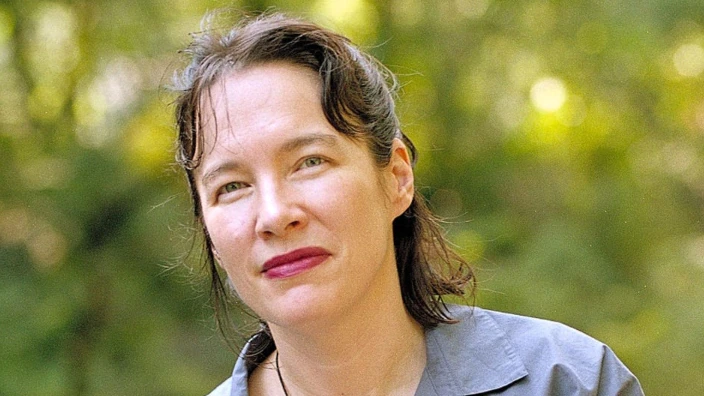
Sebold writes that “40 years ago, as a traumatized 18-year-old rape victim, I chose to put my faith in the American legal system. My goal in 1982 was justice — not to perpetuate injustice. And certainly not to forever, and irreparably, alter a young man’s life by the very crime that had altered mine.”
“I am grateful that Mr. Broadwater has finally been vindicated,” she asserts, “but the fact remains that 40 years ago, he became another young Black man brutalized by our flawed legal system. I will forever be sorry for what was done to him.”
Read the full article here.
Read another article about wrongful convictions here.
More Breaking News here.
Comments Are Welcome
Note: We moderate submissions in order to create a space for meaningful dialogue, a space where museum visitors – adults and youth –– can exchange informed, thoughtful, and relevant comments that add value to our exhibits.
Racial slurs, personal attacks, obscenity, profanity, and SHOUTING do not meet the above standard. Such comments are posted in the exhibit Hateful Speech. Commercial promotions, impersonations, and incoherent comments likewise fail to meet our goals, so will not be posted. Submissions longer than 120 words will be shortened.
See our full Comments Policy here.