After a Black man is fatally shot in bed by officers, Ohio police change policy on late-night warrants
Share
Explore Our Galleries









Breaking News!
Today's news and culture by Black and other reporters in the Black and mainstream media.
Ways to Support ABHM?
By Antonio Planas, NBC News
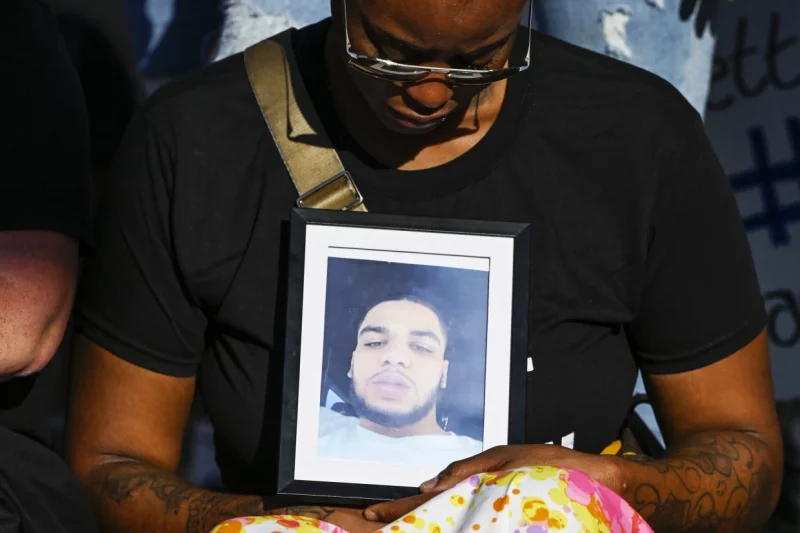
Less than two weeks after an officer in Ohio fatally shot a Black man who was in bed while executing an arrest warrant, the Columbus police chief on Thursday issued a policy change about warrants served late at night.
Chief Elaine Bryant is directing the Columbus Division of Police to seek high-level approval for some warrants served between the hours of 11 p.m. and 6 a.m., according to a memo sent to all sworn personnel.
Donovan Lewis, 20, was fatally shot about 2:30 a.m. Aug. 30 while police executed a felony arrest warrant for alleged improper handling of a firearm, domestic violence and assault.
“Effective immediately and until revised or rescinded by me, no pre-planned arrest warrants shall be served at private residences for all misdemeanor offenses (including domestic violence) and non-violent felony offenses between the hours of 11:00 PM and 6:00 AM without the prior approval of a lieutenant or above,” the memo said.
The memo added: “Pre-planned means the sole reason you have decided to go to the address is to serve an arrest warrant. This policy does not apply to tactical units, for example, SWAT, In/Tac, and task force personnel.”
Read about the events that inspired this change.
A similar home invasion in Louisville led to the death of Breonna Taylor. The cops who murdered her and conspired to cover it up have since been charged.
Find similar stories in our breaking news archive.
Comments Are Welcome
Note: We moderate submissions in order to create a space for meaningful dialogue, a space where museum visitors – adults and youth –– can exchange informed, thoughtful, and relevant comments that add value to our exhibits.
Racial slurs, personal attacks, obscenity, profanity, and SHOUTING do not meet the above standard. Such comments are posted in the exhibit Hateful Speech. Commercial promotions, impersonations, and incoherent comments likewise fail to meet our goals, so will not be posted. Submissions longer than 120 words will be shortened.
See our full Comments Policy here.