“Spies of Mississippi” on PBS on February 10, 2014
Share
Explore Our Galleries









Breaking News!
Today's news and culture by Black and other reporters in the Black and mainstream media.
Ways to Support ABHM?
Tonight, on Independent Lens, at 10:00pm EST:
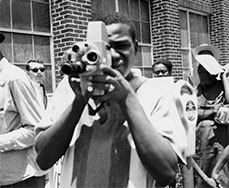
Spies of Mississippi is a journey into the world of informants, infiltrators, and agent provocateurs in the heart of Dixie.
The film tells the story of a secret spy agency formed by the state of Mississippi to preserve segregation and maintain “the Mississippi way of life,” white supremacy, during the 1950s and ‘60s. The Mississippi State Sovereignty Commission (MSSC) evolved from a predominantly public relations agency to a full-fledged spy operation, spying on over 87,000 Americans over the course of a decade.
The Commission employed a network of investigators and informants, including African Americans, to help infiltrate some of the largest Black organizations like National Association for the Advancement of Colored People (NAACP) and The Congress of Racial Equality (CORE). The MSSC was granted broad powers to investigate private citizens and organizations, keep secret files, make arrests, and compel testimony for a state that, as civil rights activist Lawrence Guyot says in the film, “was committed to an apartheid system that would make South Africa blush.”

The film reveals the full scope and impact of the Commission, including its links to private white supremacist organizations, its ties to investigative agencies in other states, and even its program to bankroll the opposition to civil rights legislation in Washington D.C.
Weaving in chilling footage of Ku Klux Klan rallies and government propaganda films alongside rare images and interviews from the period, Spies of Mississippi tracks the Commission’s hidden role in many of the most important chapters of the civil rights movement, including the integration of the University of Mississippi, the assassination of Medgar Evers, and the KKK murders of three civil rights workers in 1964.
For trailer and film clips, click here.
Mississippi has a long history of anti-Black violence, including lynching.
For more Breaking News, click here.
Comments Are Welcome
Note: We moderate submissions in order to create a space for meaningful dialogue, a space where museum visitors – adults and youth –– can exchange informed, thoughtful, and relevant comments that add value to our exhibits.
Racial slurs, personal attacks, obscenity, profanity, and SHOUTING do not meet the above standard. Such comments are posted in the exhibit Hateful Speech. Commercial promotions, impersonations, and incoherent comments likewise fail to meet our goals, so will not be posted. Submissions longer than 120 words will be shortened.
See our full Comments Policy here.