Now That Affirmative Action is Dead, Black Folks “Need HBCUs More Than Ever”
Share
Explore Our Galleries









Breaking News!
Today's news and culture by Black and other reporters in the Black and mainstream media.
Ways to Support ABHM?
Dr. Stacey Patton, Black Enterprise
In the wake of the June 29 Supreme Court ruling, which effectively prohibits the consideration of race in higher education admissions, it is not surprising that a tide of dissent has emerged. President Biden, expressing his deep disappointment, characterized the 6-3 decision as a profound setback.
Numerous observers have remarked upon the ruling’s adverse impact on diversity within higher education institutions nationwide, as well as its regrettable imposition of barriers upon numerous deserving students aspiring for higher learning. Across the country, universities and colleges find themselves reassessing their admissions processes, while some continue to affirm their commitment to holistic assessments of applicants in their admission decisions.
Amidst the justified outrage and widespread critique, it is crucial to recognize that the SCOTUS ruling signifies a pivotal juncture with far-reaching implications for historically Black colleges and universities. These esteemed institutions have long borne witness to the inhospitable reception faced by Black students in predominantly white colleges and universities (PWIs), regardless of their exceptional qualifications. […]
Following the court’s decision, several HBCU presidents expressed concern. Morgan State University’s president, David K. Wilson, stated that the ruling would undermine decades of progress, disregarding the value of diverse backgrounds in enriching the academic environment.
“By eliminating one’s ethnicity or racial background as a consideration in admissions decisions, the U.S. Supreme Court has, in many regards, turned its back on the inherent value of unique experiences and perspectives that students from diverse backgrounds bring to the academic environment, enriching the educational experience for all students,” Wilson said in a written statement. […]
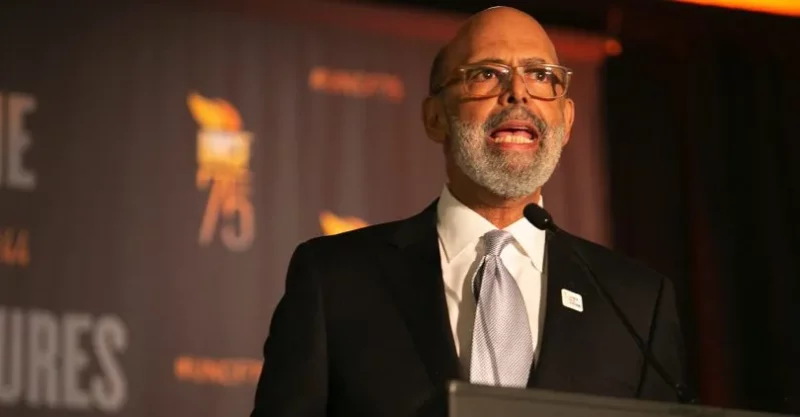
In response to the SCOTUS ruling, Michael Lomax, the president, and CEO of the United Negro College Fund (UNCF), expressed concern that it would limit educational opportunities for Black students and students of color at PWIs. He anticipated that this limitation would result in a surge in demand for HBCUs. Despite the challenging circumstances, Lomax adopted a more optimistic perspective, viewing this as an opportunity.
In a statement posted on the organization’s website, Lomax remarked, “The Supreme Court ruling will close the door to educational opportunity for many Black students and students of color who want to attend non-HBCUs.” He acknowledged that, because of the ruling, more students would likely turn to HBCUs for their college education. Lomax also expressed confidence that HBCUs would make every effort to meet the increased demand from students. He emphasized the significance of HBCUs, stating, “America needs HBCUs now more than ever.”
Lomax is correct.
The SCOTUS decision is likely to result in even more declines in racial diversity among many postsecondary institutions, leading to talented students of color seeking alternatives. In 1996, the residents of California decided to prohibit affirmative action policies based on race in public universities within the state. Following suit, eight additional states – Arizona, Florida, Idaho, Michigan, Nebraska, New Hampshire, Oklahoma, and Washington – adopted similar measures by prohibiting race-based considerations, often through ballot initiatives that received approval from the states’ voters. Consequently, several universities in these states have encountered significant challenges in their pursuit of achieving racial diversity on their campuses due to these bans.
HBCUs can help fill this gap, but as Lomax and others have argued, these institutions require greater investment. Currently, HBCU endowments pale in comparison to those of PWIs, and federal research and development grants awarded to HBCUs are minimal.
Read more about the future of Black college students and HBCUs in the original article.
Learn more about the history of HBCUs in this Breaking News article.
Find other Breaking News articles here.
Comments Are Welcome
Note: We moderate submissions in order to create a space for meaningful dialogue, a space where museum visitors – adults and youth –– can exchange informed, thoughtful, and relevant comments that add value to our exhibits.
Racial slurs, personal attacks, obscenity, profanity, and SHOUTING do not meet the above standard. Such comments are posted in the exhibit Hateful Speech. Commercial promotions, impersonations, and incoherent comments likewise fail to meet our goals, so will not be posted. Submissions longer than 120 words will be shortened.
See our full Comments Policy here.