7 Ways the Government Shutdown May Affect You
Share
Explore Our Galleries









Breaking News!
Today's news and culture by Black and other reporters in the Black and mainstream media.
Ways to Support ABHM?
By Shernay Williams
Some services, like Social Security checks and SNAP, will continue during the government shutdown, but with limited services and staff.
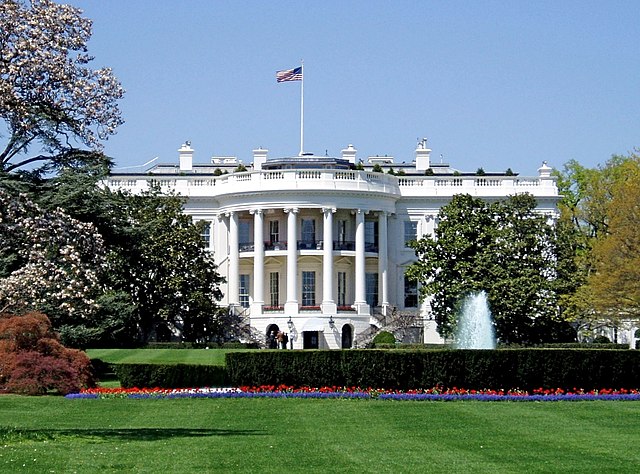
The federal government has officially shut down after lawmakers in Congress failed to reach an agreement on what to fund. Senate Democrats refused to support a Republican spending bill that would have let healthcare subsidies through the Affordable Care Act expire at the end of the year. In turn, Republicans rejected a Democrat-sponsored stopgap measure.
Thousands of federal workers will be furloughed and perhaps fired amid the shutdown. Much like the last government shutdown of 2018-2019, a disproportionate number of Black Americans will likely be affected. Black people make up just 14% of the country’s population, but represent 18% of the federal workforce, according to the Partnership for Public Service.
Here’s how you may be affected by the government shutdown:
Air Travel
Transportation Security Administration (TSA) agents and air traffic controllers will work without pay. During the 2018-2019 shutdown, many TSA workers called in sick, which caused travel delays.
Medicare & Medicaid Services
The Department of Health and Human Services which oversees Medicare & Medicaid says in a contingency staffing plan that “expected activities” will continue. However, the department plans to furlough 32,000 of its almost 80,000 employees.
SNAP & WIC
The Supplemental Nutrition Assistance Program (SNAP) and the Women, Infants and Children (WIC) programs will continue operating for now but are “subject to the availability of funding.” That means funds may run out if the shutdown is prolonged.
Social Security Payments
The Social Security Administration will continue to send out Social Security benefits and Supplemental Security Income checks. However, about 12% of its staff will be furloughed and some services may be unavailable.
Veteran Benefits
Benefits regional offices for The Department of Veterans Affairs (VA) will close, and they will stop offering transition program assistance, and career counseling. But VA Medical Centers will remain open.
Read more on how the Government Shutdown May Affect You
You can always discover Black history in our physical and virtual museums.
Find more revolutionary black news.
Comments Are Welcome
Note: We moderate submissions in order to create a space for meaningful dialogue, a space where museum visitors – adults and youth –– can exchange informed, thoughtful, and relevant comments that add value to our exhibits.
Racial slurs, personal attacks, obscenity, profanity, and SHOUTING do not meet the above standard. Such comments are posted in the exhibit Hateful Speech. Commercial promotions, impersonations, and incoherent comments likewise fail to meet our goals, so will not be posted. Submissions longer than 120 words will be shortened.
See our full Comments Policy here.