5 Years After George Floyd’s Death, Activists Say the Promise of Change Remains Unfulfilled
Share
Explore Our Galleries









Breaking News!
Today's news and culture by Black and other reporters in the Black and mainstream media.
Ways to Support ABHM?
By Alexis Wray, and Eden Turner, Sabreen Dawud, The 19th
They were once hopeful that outrage over Floyd’s death would improve racial equity for Black Americans. Now they worry the country is going in the opposite direction.
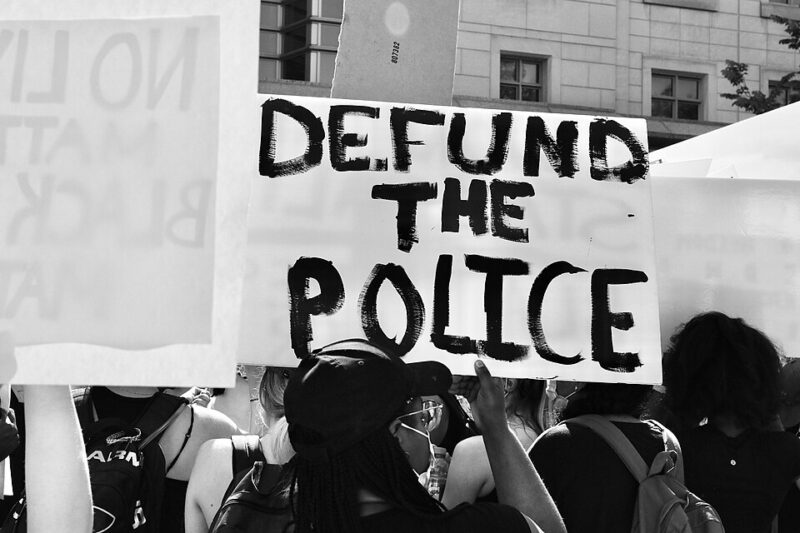
The fifth anniversary of George Floyd’s death is approaching, a time that many remember as a “racial reckoning” that heightened the world’s attention on police brutality and its deadly impact on Black people.
Activists, leaders and community members believed five years ago that the country would point to this moment as the one that brought lasting change toward racial equity. Now, the majority of Americans say that moment has passed with its promise unfulfilled.
In a study published on May 7, the Pew Research Center found that in 2020, 52 percent of U.S. adults believed that an increased focus on racial issues across the country would lead to significant change in the years to come. In 2025, 72 percent of U.S. adults said that the focus on racial inequality did not lead to any changes that helped the Black community.
Furthermore, in 2025, 67 percent of Black Americans said they felt doubtful the United States would ever achieve racial equality; 65 percent felt similarly in 2020.
The 19th spoke with Black activists about the country’s progress toward equality since Floyd’s death and how they envision a more inclusive future.
Learn what they had to say.
George Floyd has become part of Black history.
Comments Are Welcome
Note: We moderate submissions in order to create a space for meaningful dialogue, a space where museum visitors – adults and youth –– can exchange informed, thoughtful, and relevant comments that add value to our exhibits.
Racial slurs, personal attacks, obscenity, profanity, and SHOUTING do not meet the above standard. Such comments are posted in the exhibit Hateful Speech. Commercial promotions, impersonations, and incoherent comments likewise fail to meet our goals, so will not be posted. Submissions longer than 120 words will be shortened.
See our full Comments Policy here.