100 Years After a Black Family Was Forced Out, a Descendant Sues a California City
Share
Explore Our Galleries









Breaking News!
Today's news and culture by Black and other reporters in the Black and mainstream media.
Ways to Support ABHM?
Aallyah Wright, Capital B
A sculpture park is being built in Piedmont, California, to honor the Dearing family, but one relative says it’s not enough.
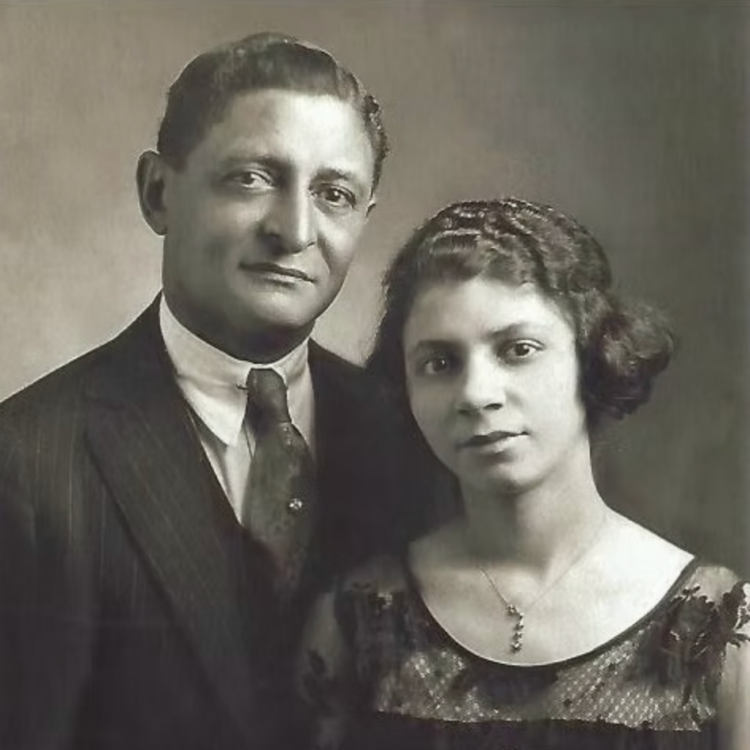
Sidney and Iréne Dearing, along with their two small children, faced lynching and bomb threats after they settled in a “sundown town” in California in 1924.
As the first Black homeowners in Piedmont, a wealthy white suburb of Oakland, they endured a racial terror campaign that included a mob of 500 people showing up on their property. The police chief, who was also a high-ranking member of the Ku Klux Klan, failed to protect them. The city eventually took the Dearings to court, claiming it needed to seize their property to build a road.
Within a year they were forced to sell, and a road was never built.
More than a century later, the city, still majority white and wealthy, is honoring the Dearing family with a memorial park near Wildwood Avenue, where the family previously lived. But that’s not good enough for their great-granddaughter, Jordana Ackerman.
She’s suing the city and is asking for redress, including compensation and a formal apology, according to a Feb. 2 complaint filed by the NAACP Legal Defense Fund and Seyfarth Shaw LLP in Alameda County, California, on behalf of Ackerman.
“This lawsuit seeks to right some of the many wrongs and compensate for the hopes and dreams, generational wealth, and opportunities that the City denied my family through lies and violence rooted in racial discrimination,” Ackerman wrote in a press release.
Learn how racism impacted Californians’ lives and what some people are doing to rectify it now.
Read about another case of eminent domain in California that impacted a Black family.
More black history news.
Comments Are Welcome
Note: We moderate submissions in order to create a space for meaningful dialogue, a space where museum visitors – adults and youth –– can exchange informed, thoughtful, and relevant comments that add value to our exhibits.
Racial slurs, personal attacks, obscenity, profanity, and SHOUTING do not meet the above standard. Such comments are posted in the exhibit Hateful Speech. Commercial promotions, impersonations, and incoherent comments likewise fail to meet our goals, so will not be posted. Submissions longer than 120 words will be shortened.
See our full Comments Policy here.