‘You get arrested and that’s it. They figure it out later’
Share
Explore Our Galleries









Breaking News!
Today's news and culture by Black and other reporters in the Black and mainstream media.
Ways to Support ABHM?
Sian Bradley, The Sunday Times
Prison recall rates are rising but many are not about reoffending. The charity Switchback helps young men who are being ‘forgotten about’
While the probation service wound down and logged off for Christmas in 2022, Frederick Knight waited anxiously to hear why he had been sent back to prison. New Year’s Eve passed by, still nothing. He had, in essence, been forgotten.
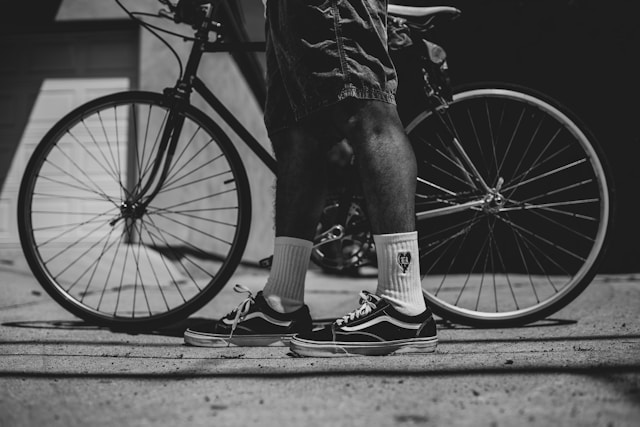
On March 20, 2023, Knight turned 25. He was called to a meeting with the parole board, who breezily informed him there were no charges. Police had arrested Knight because he matched a generic description of a young black man riding a bicycle. He had not committed a crime or breached any conditions of his licence.
Knight returned to his cell in a daze. “I didn’t want to speak much. I didn’t call anyone, I just sat there,” he said. “I was thinking, so what was the point? My situation could have even changed a hundred times better within that five-month period. But I’m here wasting time.
“When they read it out to me and I looked nothing like him …” he laughed incredulously at the memory. “It was just like legalities, I guess. When you get arrested, that’s it. You have to go back in. And they’ll figure it out later.”
The next day, the call came. He was free to go. But the imprisonment set his life back to “ground zero”, he said. He walked out of prison with no access to his phone or his bank accounts.
Knight is one of the increasing number of people on licence who are sent back to custody. Recalls rose 45 per cent last year on the year before, according to government data. Between July and September last year, almost 10,000 people were recalled to prison for breaching their licence conditions rather than committing a fresh offence.
Learn more about these cases and Switchback, a rehabilitation charity.
Racial profiling also plays a large part in the so-called war on drugs.
Comments Are Welcome
Note: We moderate submissions in order to create a space for meaningful dialogue, a space where museum visitors – adults and youth –– can exchange informed, thoughtful, and relevant comments that add value to our exhibits.
Racial slurs, personal attacks, obscenity, profanity, and SHOUTING do not meet the above standard. Such comments are posted in the exhibit Hateful Speech. Commercial promotions, impersonations, and incoherent comments likewise fail to meet our goals, so will not be posted. Submissions longer than 120 words will be shortened.
See our full Comments Policy here.