White Supremacy
Explore Our Online Exhibits









Breaking News


Worldwide Community Events
Week 1
- Sun 1
- Mon 2
- Tue 3
- Wed 4
- Thu 5
- Fri 6
- Sat 7
- Sun 8
- Mon 9
- Tue 10
- Wed 11
- Thu 12
- Fri 13
- Sat 14
- Sun 15
- Mon 16
- Tue 17
- Wed 18
- Thu 19
- Fri 20
- Sat 21
- Sun 22
- Mon 23
- Tue 24
- Wed 25
- Thu 26
- Fri 27
- Sat 28
- Sun 29
- Mon 30
- Tue 31
- Wed 1
- Thu 2
- Fri 3
- Sat 4
-
04March

ABHM Discounted Tours
ABHM in Milwaukee, WI04March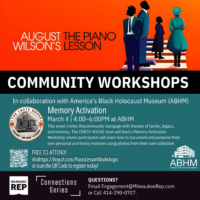 4:00 PM - 6:00 PM
Memory of Activation: Community Workshop with Milwaukee Repertory Theater
ABHM in Milwaukee, WI -
05March

National Association Arts Education Association Convention
Hyatt Regency Chicago -
06March
National Association Arts Education Association Convention
Hyatt Regency Chicago -
07March
National Association Arts Education Association Convention
Hyatt Regency Chicago07March
-
11March
ABHM Discounted Tours
ABHM in Milwaukee, WI11March
Black Enterprise Women of Power Summit 2026
Bellagio Hotel & Casino11March
-
12March
Black Enterprise Women of Power Summit 2026
Bellagio Hotel & Casino -
13March
Black Enterprise Women of Power Summit 2026
Bellagio Hotel & Casino -
14March
Black Enterprise Women of Power Summit 2026
Bellagio Hotel & Casino -
15March
Black Enterprise Women of Power Summit 2026
Bellagio Hotel & Casino -
18March
ABHM Discounted Tours
ABHM in Milwaukee, WI -
24March

National Association of Black Social Workers Conference
Detroit Marriott at the Renaissance Center -
25March
ABHM Discounted Tours
ABHM in Milwaukee, WI25MarchNational Association of Black Social Workers Conference
Detroit Marriott at the Renaissance Center -
26March
National Association of Black Social Workers Conference
Detroit Marriott at the Renaissance Center -
27March
National Association of Black Social Workers Conference
Detroit Marriott at the Renaissance Center -
28March
National Association of Black Social Workers Conference
Detroit Marriott at the Renaissance Center28March
-
01April
ABHM Discounted Tours
ABHM in Milwaukee, WI
Share
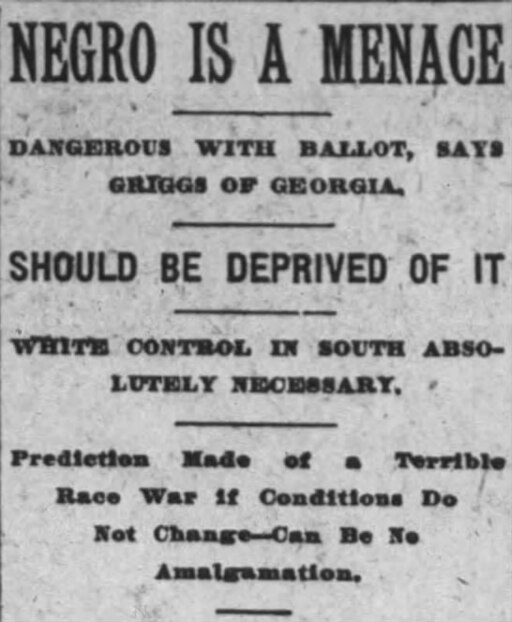
White supremacy is the belief that white people are better than those of other races, making it a type of racism. It also includes actions that prevent other races from gaining power, which is known as white privilege, preserving that power for white people. The basis of white supremacy is the former erroneous belief that significant biological differences existed between people of different races. Although this belief focused heavily on the so-called Black inferiority in and around the slavery era, white supremacy historically and currently oppresses people of many races around the globe, especially indigenous peoples. Furthermore, definitions of who qualifies as white can vary.
This type of racism paved the way for racist hate groups such as the Ku Klux Klan (KKK), the attempt by the self-named Confederate States of America to secede from the Union, and various race riots or massacres, including that in Greenwood, Oklahoma. White supremacy has also been solidified in American legislature through laws such as those preventing Black people from owning property, voting, holding office, and marrying (either at all or those of other races). In the 20th century, Jim Crow laws, which forced racial segregation, upheld the ideology of white supremacy. While laws have changed, institutions and individuals can still promote white supremacy up to and including racist violence.
This idea is closely related to white nationalism, in which being white becomes an identity. Supporters of white nationalism may endorse overthrowing the government to uphold their power. Overlap also exists between white supremacy and racist skinheads who discriminate against Jewish people. Some Christian beliefs and doctrines also align with white supremacy. White (male) supremacy can play a role in domestic terrorism incidents such as shootings like the one in Buffalo, New York.
While Donald Trump was president, this movement gained popularity, with as many as 600 groups currently existing in the United States, members of which typically supported Trump.
Although there is disagreement about how we can dismantle white supremacy, some white supremacists eventually see the error of their ways.
All of our articles, exhibits, and events about white supremacy can be found in the archive below.
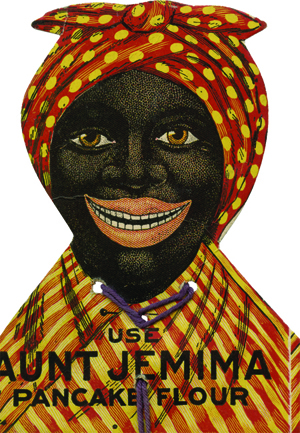
In 2006, ABHM brought the traveling exhibit “Hateful Things” from the Jim Crow Museum of Racist Memorabilia. Two Milwaukee teens made this excellent short video about the exhibit and what they learned from it. In this exhibit you can see racist memorabilia and visit the Jim Crow Museum.
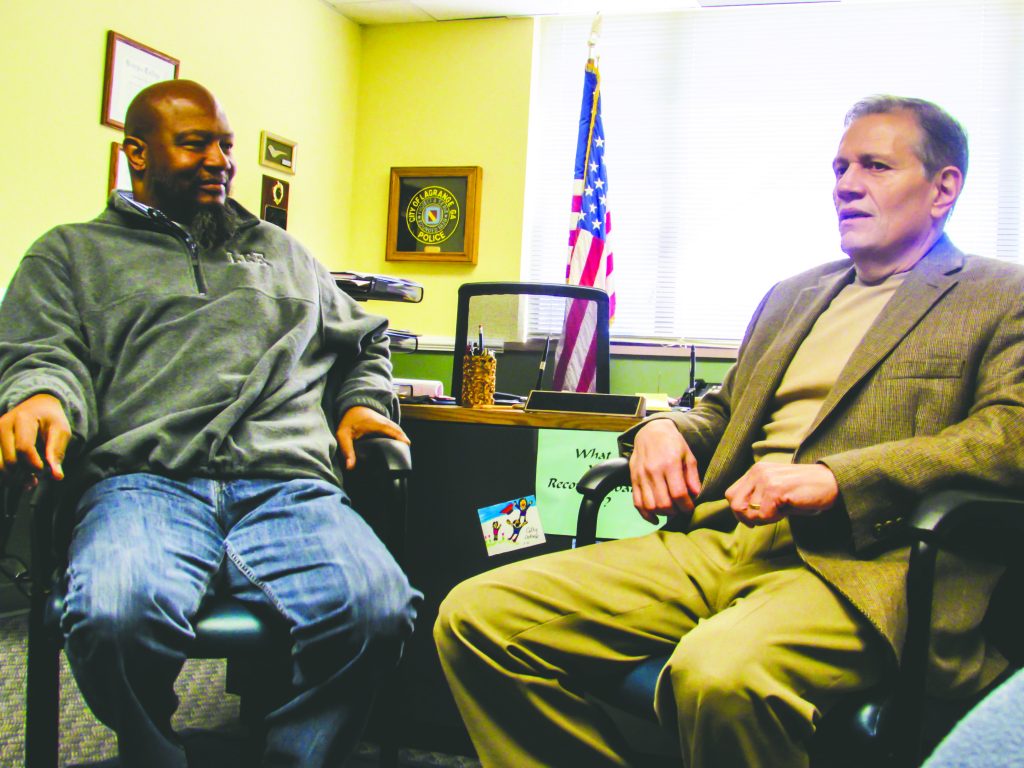
The police chief of Lagrange, Georgia, along with the city’s mayor and the white business community, issued an apology to the Callaway family and the NAACP for the 1940 lynching of teenaged Austin Callaway. A commemorative ceremony and memorial plaque will be placed to honor Callaway and other victims of lynchings in the county.
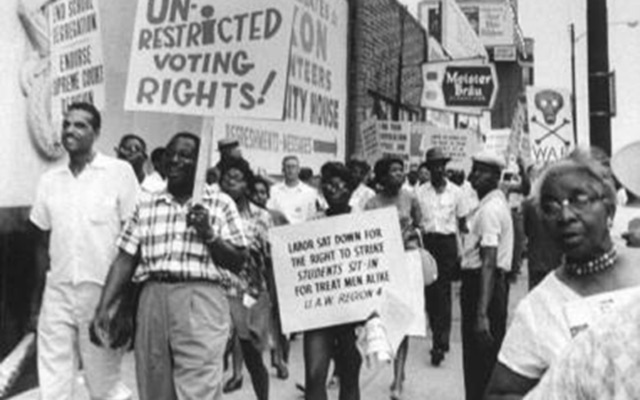
From about 1900 to 1965, most African Americans were not allowed to vote in the South. White people in power used many methods to keep black people from voting. Some of these methods also prevented poor white people from voting. Today there are still laws and customs that make it harder for African Americans, other minorities, and some whites to vote.
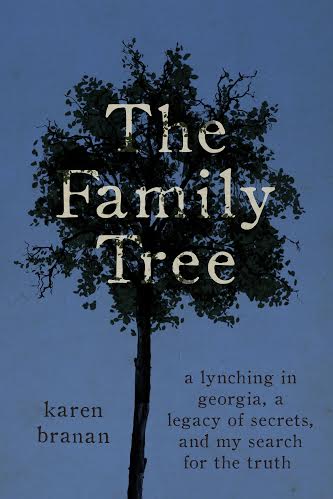
Karen Branan returns to her ancestral home in Georgia to discover the truth behind the lynching of three black men and a black woman in 1912 – including the complicity of her family. She tells the story in a new book, The Family Tree.
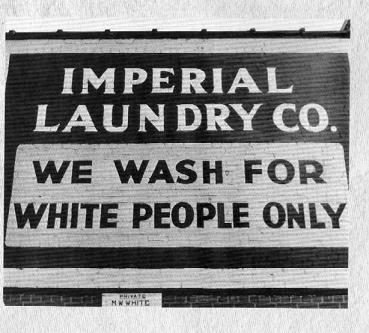
“Jim Crow” refers to a five-part system developed in the late 1800s and early 1900s to support white supremacy and oppress black citizens. Although there were laws that discriminated against African Americans throughout the country, the Jim Crow system existed only in the South. This exhibit briefly describes the five oppressions of the Jim Crow system.
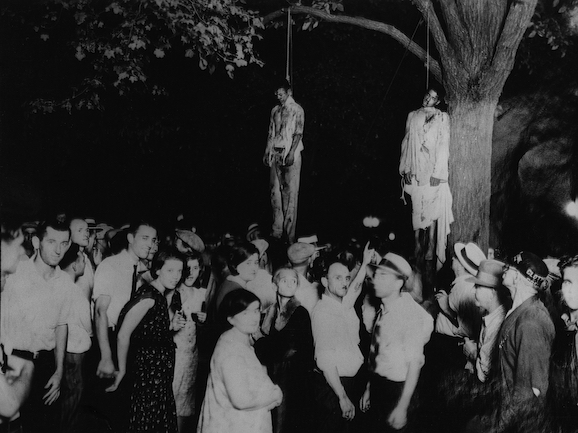
Launched online in December 2011, this is, we believe, the first memorial to remember the many victims of lynching in the United States. Here we gather their life stories, say their names, and note where and when these thousands of men, women and children were terrorized and murdered.
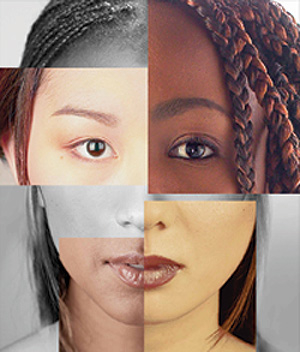
For more than 400 years, the economic, social, and political behavior of Americans has been shaped by ideas about “races” and racial differences. Where did these powerful ideas come from – and are they true? How have your ideas about racial differences been affected?