‘We didn’t make it for a white audience’: how black theatre took centre stage in Australia
Share
Explore Our Galleries









Breaking News!
Today's news and culture by Black and other reporters in the Black and mainstream media.
Ways to Support ABHM?
Dee Jefferson, The Guardian
In the last five years, African diaspora theatre has swept from the fringes on to the country’s main stages – fuelled by artists like Zindzi Okenyo
.jpg)
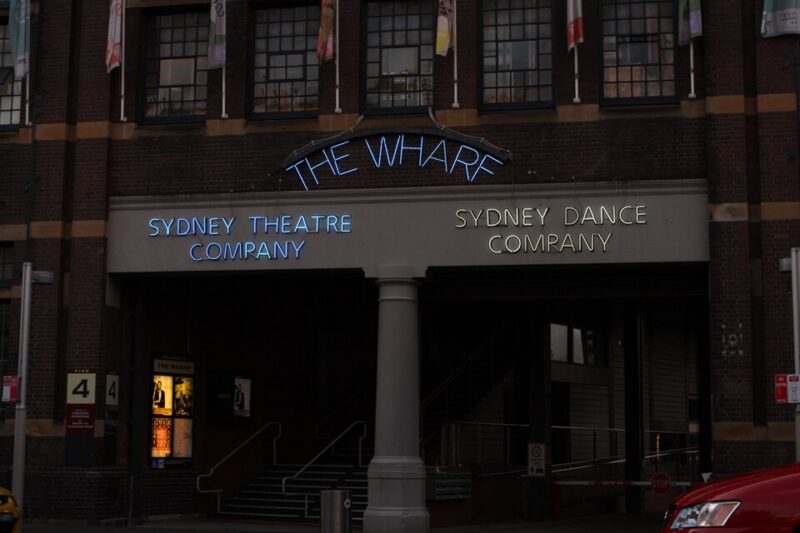
When Zindzi Okenyo takes the Sydney Theatre Company (STC) stage in June for John Patrick Shanley’s Tony award-winning play Doubt – the role played by Viola Davis in the film – it will be a particularly special moment: her fourth main-stage role playing a black woman in a 20-year theatre career. “I’m really excited about it, I haven’t had a black role for so long,” she says.
For the last five years, Okenyo has been working behind the scenes to create more opportunities and safer spaces for black performers, not as an actor but as a director. When we meet in mid-January, she’s in rehearsals for her production of Branden Jacobs-Jenkins’ Pulitzer and Tony award-winning dysfunctional family dramedy Purpose, opening at STC next week – with an entirely black cast.
It’s a career milestone for Okenyo, but bittersweet. Born in Adelaide to a white mother and Kenyan father, she’s spent much of her life and career as the “only brown person” in majority white spaces. “I haven’t had the opportunity, as an actor, to be in the [rehearsal] rooms that I create,” she says. “But for now, as a director, it’s about … creating a dream space for these actors.”
Purpose unfolds around the dinner table of a “Famous Black” family, as secrets are revealed and tensions combust. It’s a gift for actors, and a true ensemble piece: “Everybody has their powerhouse moment,” says Okenyo. “I wanted the [Australian] industry to see the multitude of skill and presence and artistry from black artists.”
In the last five years in Australia, African diaspora theatre has spread from the fringes to main stages like wildfire – fanned by a new wave of African diaspora and First Nations theatre-makers. Rarely if ever has change happened so quickly or powerfully in the industry. Okenyo has been one of the key pyromancers.
Learn about Okenyo’s projects.
Find Black culture events in our calendar or learn more about how enslavement led to the African diaspora in our online galleries.
More stories like this in ABHM’s breaking news blog.
Comments Are Welcome
Note: We moderate submissions in order to create a space for meaningful dialogue, a space where museum visitors – adults and youth –– can exchange informed, thoughtful, and relevant comments that add value to our exhibits.
Racial slurs, personal attacks, obscenity, profanity, and SHOUTING do not meet the above standard. Such comments are posted in the exhibit Hateful Speech. Commercial promotions, impersonations, and incoherent comments likewise fail to meet our goals, so will not be posted. Submissions longer than 120 words will be shortened.
See our full Comments Policy here.