Urban Gardeners are laying down roots for Black ‘food sovereignty’ in New Orleans
Share
Explore Our Galleries









Breaking News!
Today's news and culture by Black and other reporters in the Black and mainstream media.
Ways to Support ABHM?
By TheGrio Lifestyle
Urban gardeners are helping Black communities in New Orleans build their own gardens to achieve food independence.
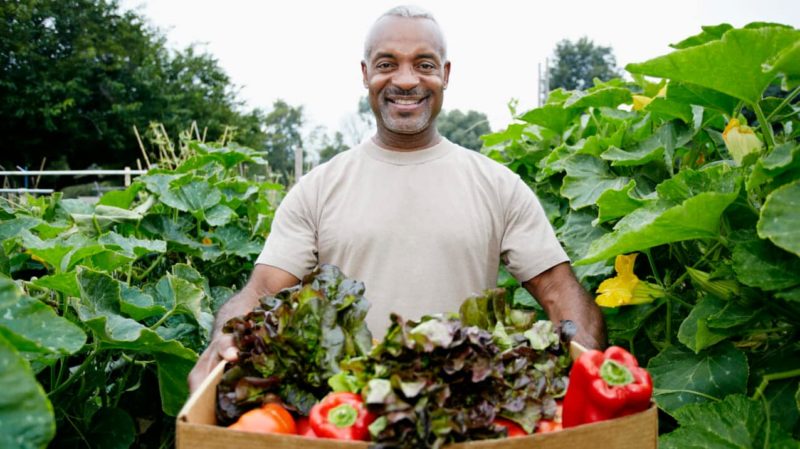
For years, accessibility to fresh food has remained limited for low-income Black and Brown communities. Fortunately, urban gardeners in New Orleans are working to level the playing fields in their neighborhoods.
New Orleans is well known as the hub for the most delicious Creole food in the world. However, its otherwise rich agricultural history has been paved with adversity, especially for Black citizens. The “crescent city” has many food deserts that leave its Black residents unable to regularly purchase healthy options—and the lack of access is no accident.
Companies strategically place (or don’t place) grocery stores in specific neighborhoods, based on socioeconomic and racial status. While organizations like the National Black Food and Justice Alliance work to promote Black food sovereignty in those areas, food insecurity is still the status quo.
Planting seeds of change, urban gardeners have taken the initiative to serve the communities that need them most. Reedy Brooks, urban gardener and executive director of the edible holistic landscaping firm GloryGardens, trains people in greenhouse management and plant nursery care. During an interview with Prism Reports, she explained that she’s not just interested in “food justice”; she believes true liberation comes from “food sovereignty,” meaning neglected communities create their own gardens—for themselves and by themselves.
According to the Center for Planning Excellence, the city’s lacking government infrastructure made the impacts of the COVID-19 pandemic even more devastating in terms of food access. About 35 percent of low-income Black neighborhoods and neighborhoods of color in New Orleans face food insecurity.
The lack of healthy food options are even more dismal for Black people living in the Lower Ninth Ward in New Orleans, who, according to the U.S. The Census Bureau, account for over 90 percent of residents in that area. Still haunted by empty lots, debris, toxins and other environmental stains from Hurricane Katrina, the Lower Ninth Ward has been delayed in development compared to the rest of the city for years.
Find out more about food insecurity and the efforts to solve it.
Airbnb has recently partnered with Black farmers for a unique experience, while the USDA has formed a commission to help Black farmers. Unfortunately, Black men have been arrested for gardening.
Get more breaking news.
Comments Are Welcome
Note: We moderate submissions in order to create a space for meaningful dialogue, a space where museum visitors – adults and youth –– can exchange informed, thoughtful, and relevant comments that add value to our exhibits.
Racial slurs, personal attacks, obscenity, profanity, and SHOUTING do not meet the above standard. Such comments are posted in the exhibit Hateful Speech. Commercial promotions, impersonations, and incoherent comments likewise fail to meet our goals, so will not be posted. Submissions longer than 120 words will be shortened.
See our full Comments Policy here.