U.S. spending on prisons grew at three times rate of school spending: report
Share
Explore Our Galleries









Breaking News!
Today's news and culture by Black and other reporters in the Black and mainstream media.
Ways to Support ABHM?
BY STEPHANIE KELLY, Reuters
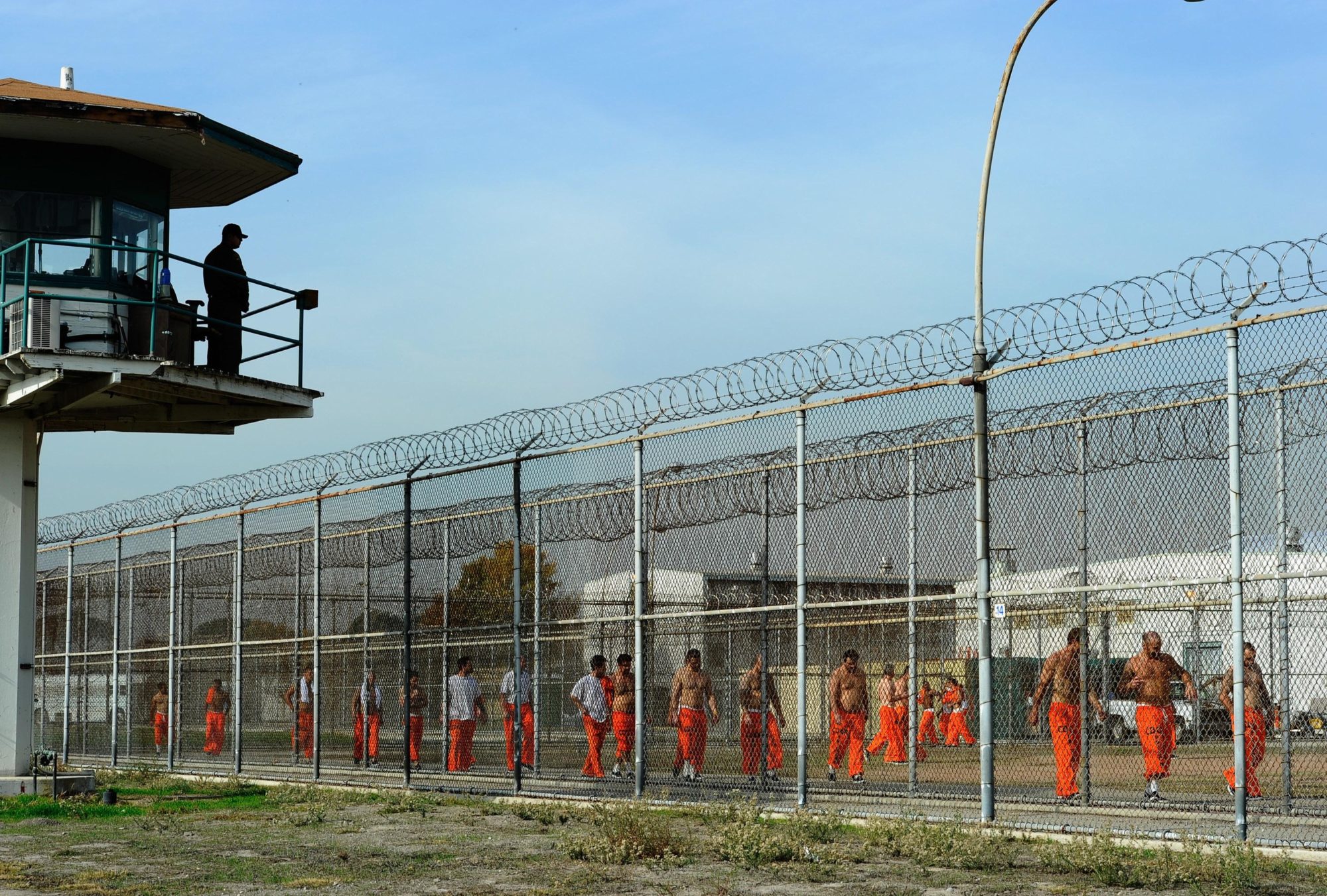 U.S. state and local spending on prisons and jails grew at three times the rate of spending on schools over the last 33 years as the number of Americans behind bars ballooned under a spate of harsh sentencing laws, a government report released Thursday said.
U.S. Secretary of Education John King said the report’s stark numbers should make state and local governments reevaluate their spending priorities and channel more money toward education.
Between 1979 and 2012, state and local government expenditures grew by 107 percent to $534 billion from $258 billion for elementary and secondary education, while corrections spending rose by 324 percent to $71 billion from $17 billion, the U.S. Department of Education report found.
In that same period, the population of state and local corrections facilities surged more than four-fold to nearly 2.1 million from around 467,000, more than seven times the growth rate of the U.S. population overall. The prison population shot up following the widespread adoption of mandatory minimum sentence laws in the 1990s.
Seven states – Idaho, Michigan, Montana, North Dakota, South Carolina, South Dakota and West Virginia – each exceeded the average rate, increasing their corrections spending five times as fast as they did their pre-kindergarten to grade 12 education spending.
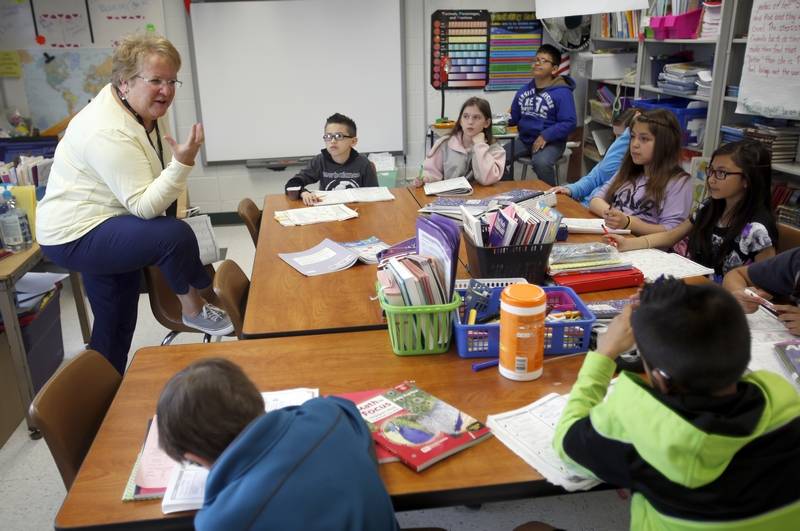 In just two states – New Hampshire and Massachusetts – growth in corrections expenditures did not surpass P-12 expenditures, even after accounting for changes in population. The report did not analyze different state policies that could explain these exceptions, King said on a conference call.
State and local spending on postsecondary education has remained mostly flat since 1990, the report said. Average state and local per capita spending on corrections increased by 44 percent as higher education funding per full-time equivalent student decreased by 28 percent, it said.
Two-thirds of state prison inmates did not complete high school, the report said.
A 10 percent increase in high school graduation rates would result in a 9 percent decline in criminal arrest rates, King said.
The United States spends about $80 billion a year on incarceration, White House Senior Advisor Valerie Jarrett said on the conference call.
“One in three Americans of working age have a criminal record,” she said. “That creates an often insurmountable barrier to successful reentry.”
More Breaking News here.
Comments Are Welcome
Note: We moderate submissions in order to create a space for meaningful dialogue, a space where museum visitors – adults and youth –– can exchange informed, thoughtful, and relevant comments that add value to our exhibits.
Racial slurs, personal attacks, obscenity, profanity, and SHOUTING do not meet the above standard. Such comments are posted in the exhibit Hateful Speech. Commercial promotions, impersonations, and incoherent comments likewise fail to meet our goals, so will not be posted. Submissions longer than 120 words will be shortened.
See our full Comments Policy here.