This Black History Month, Let’s Amplify Being ‘WOKE’
Share
Explore Our Galleries









Breaking News!
Today's news and culture by Black and other reporters in the Black and mainstream media.
Ways to Support ABHM?
By Ronald Walker, Word in Black
This year, Ron Walker is spreading the message that we need to be “working on knowledge equally” as it relates to Black history.
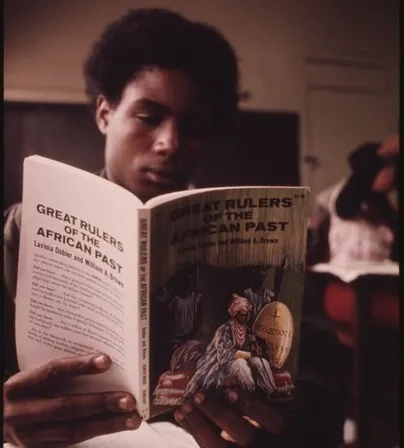
As we enter February, the designated month for the appreciation of Black History, a critical question may arise from those who are not Black. That question might be, “why does Black History matter?”
[…]
As a Black History major at Lincoln University, surrounded by a wealth of information about the immense and significant contributions made by Black Americans, I gained a true appreciation of them. This experience of authentic learning helped to affirm and shape my identity.
As I began to know my history, I began to know my power. I was also able to read a treasure trove of books and writings about the achievements of Black people that provide the reader with well-researched facts that were not found within the traditional U.S History texts used in K-12 public schools.
If it were not for Lincoln University and its professors dedicated to teaching a comprehensive history, I would not have fully appreciated the contributions, inventions, and acts of courage performed by Black Americans.
Learn how Walker has taught Black history.
Learn more about Black history in our online exhibit galleries.
Keep up with Black news articles.
Comments Are Welcome
Note: We moderate submissions in order to create a space for meaningful dialogue, a space where museum visitors – adults and youth –– can exchange informed, thoughtful, and relevant comments that add value to our exhibits.
Racial slurs, personal attacks, obscenity, profanity, and SHOUTING do not meet the above standard. Such comments are posted in the exhibit Hateful Speech. Commercial promotions, impersonations, and incoherent comments likewise fail to meet our goals, so will not be posted. Submissions longer than 120 words will be shortened.
See our full Comments Policy here.