They were shot by police at the 2020 Black Lives Matter protests. ‘I came home a different person’
Share
Explore Our Galleries









Breaking News!
Today's news and culture by Black and other reporters in the Black and mainstream media.
Ways to Support ABHM?
By Gloria Oladipo, The Guardian
Blinded, beaten or jailed, some protesters are still recovering physically and financially from speaking out
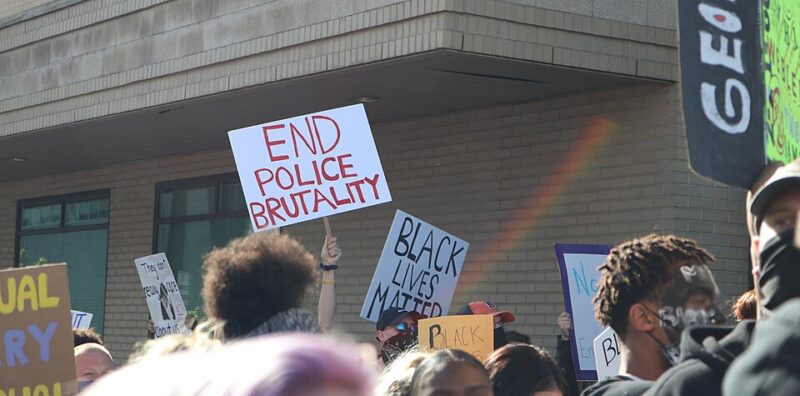
Five years ago, on 25 May 2020, George Floyd, a 46-year-old Black man living in Minneapolis, Minnesota, was murdered by Derek Chauvin, a white police officer. During an attempted arrest, Chauvin kneeled on Floyd’s neck for more than nine minutes, cutting off his oxygen supply. The gruesome killing was captured on video.
Floyd’s murder sparked global outcry, launching the largest protests seen in the US since the civil rights movement. During the summer of 2020, upwards of 26 million people protested nationwide to condemn police brutality and demand racial justice. Rallies also spread across the globe, with some 93 countries and territories participating in the uprisings.
Demonstrations were largely peaceful, despite some rightwing media coverage claiming otherwise. Between 25 May and 4 June 2020, 89% of protests were non-destructive, with 96% remaining non-violent through September 2020, according to figures from the Pew Research Center.
Still, hundreds of protesters were subjected to excessive force by police, ranging from being teargassed or pepper-sprayed to being shot with projectiles.
Following the 2020 protests, dozens of US cities paid out a total of at least $80m in settlements to demonstrators who were injured, a record amount. Settlements awarded to protesters, sometimes millions for a single individual, were often the only redress for injured parties, as paying such restitution did not require admission of guilt from police departments.
Years later, demonstrators say they are still contending with intense trauma and long-lasting injuries that serve as constant reminders of that chapter. What’s more, much of their settlement money has been swallowed by mounting medical debt, legal fees and other costs associated with being wounded. Here are their stories.
Keep reading to learn about the damage that had been done.
Discover Black history, from pre-slavery to modern mass incarceration.
Follow stories about the Black Lives Matter movement and the anniversary of George Floyd’s death in our breaking news section.
Comments Are Welcome
Note: We moderate submissions in order to create a space for meaningful dialogue, a space where museum visitors – adults and youth –– can exchange informed, thoughtful, and relevant comments that add value to our exhibits.
Racial slurs, personal attacks, obscenity, profanity, and SHOUTING do not meet the above standard. Such comments are posted in the exhibit Hateful Speech. Commercial promotions, impersonations, and incoherent comments likewise fail to meet our goals, so will not be posted. Submissions longer than 120 words will be shortened.
See our full Comments Policy here.