The soldiers of color who freed concentration camps 80 years ago
Share
Explore Our Galleries









Breaking News!
Today's news and culture by Black and other reporters in the Black and mainstream media.
Ways to Support ABHM?
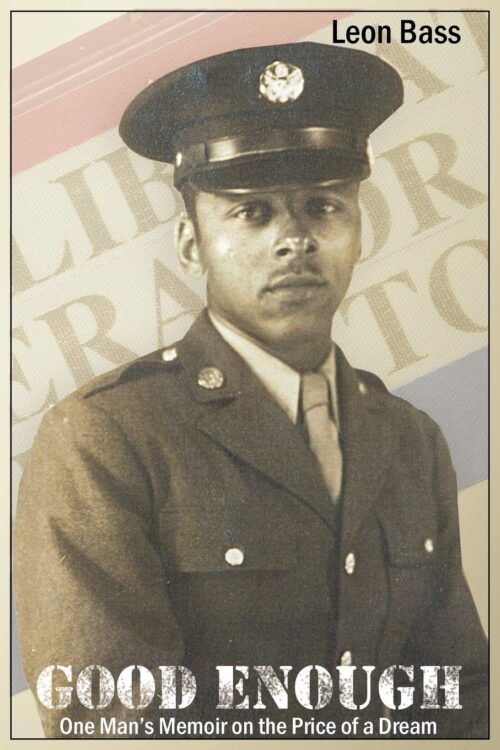
By Russell Contreras, Axios
U.S. forces liberated Nazi concentration camps 80 years ago this month. Among the liberators were Black, Latino, Asian American and Native American soldiers whose actions today are often forgotten.
Why it matters: The Pentagon recently purged references to soldiers of color from its websites, per an order by President Trump. But civil rights advocates say the liberators warrant recognition for their service at a time when many returned home to discrimination, segregation and racial violence.
The big picture: U.S. forces liberated the Buchenwald concentration camp near Weimar, Germany, on April 11, 1945 — the first of many camps to be freed on the western front from April to May.
- It’s unclear how many soldiers of color were involved. But evidence collected during the past 25 years indicates that many who helped liberate camps where Jews were imprisoned were themselves in racially segregated military units.
- Robert Williams of the USC Shoah Foundation, a group that preserves survivor testimonies of the Holocaust, tells Axios the soldiers’ actions at the camps and throughout the war speak volumes today, amid the nation’s rising antisemitism and distrust between some groups.
The original article highlights articles and exhibits about this forgotten piece of history.
America’s Black Holocaust Museum is dedicated to sharing Black history.
Comments Are Welcome
Note: We moderate submissions in order to create a space for meaningful dialogue, a space where museum visitors – adults and youth –– can exchange informed, thoughtful, and relevant comments that add value to our exhibits.
Racial slurs, personal attacks, obscenity, profanity, and SHOUTING do not meet the above standard. Such comments are posted in the exhibit Hateful Speech. Commercial promotions, impersonations, and incoherent comments likewise fail to meet our goals, so will not be posted. Submissions longer than 120 words will be shortened.
See our full Comments Policy here.