The Death of Ananda Lewis: A Warning for Black Women
Share
Explore Our Galleries









Breaking News!
Today's news and culture by Black and other reporters in the Black and mainstream media.
Ways to Support ABHM?
By Jennifer Porter Gore, Word In Black
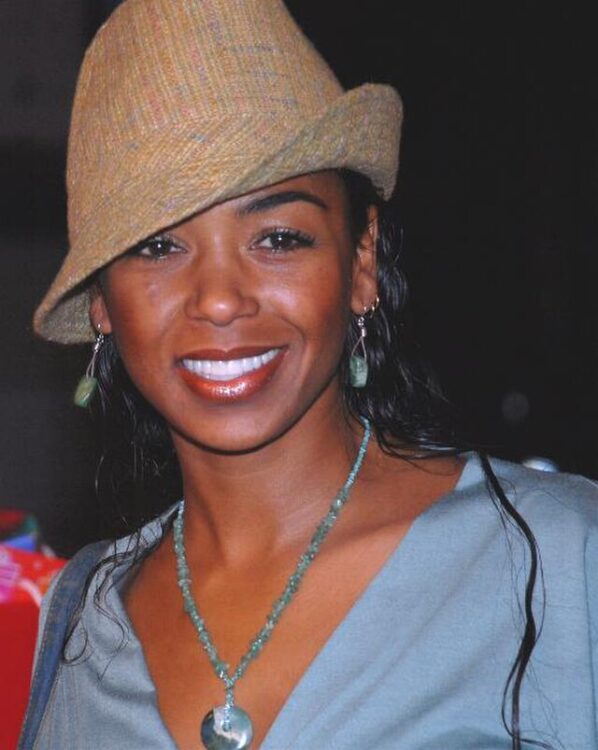
Overview: After announcing her late-stage diagnosis in 2020, Lewis used her fame and social media presence to convince Black women of the need for regular breast-cancer screening and to heed medical advice. But systemic racism and mistrust of the medical profession can make that advice difficult for some women to follow.
She was the queen of MTV in the 1990s, a star VJ who rubbed shoulders with scene-makers like Prince, Shaquille O’Neal, and tap-dancing sensation Savion Glover. At her peak, she was so popular — and influential — The New York Times anointed her “the hip-hop generation’s reigning ‘It Girl.’”
In recent years, however, Lewis became a celebrity influencer of a different sort: openly discussing her late-stage breast cancer diagnosis, urging Black women like herself to get tested for the disease, and pleading with them to take the diagnosis (and doctor’s recommendations) seriously.
“I need you to share this with the women in your life who may be as stubborn as I was about mammograms, and I need you to tell them that they have to do it,” she said in an Instagram post from October 2020.
This week, Lewis — a TV personality who helped popularize and define a genre of music — died of the disease she had been fighting for the last five years. She was 52.
“She’s free, and in His heavenly arms,” Lewis’ sister, Lakshmi Emory, wrote late Wednesday in a Facebook post. “Lord, rest her soul.”
More Likely to Die From Breast Cancer
Breast cancer is the deadliest form of the disease for Black women in the U.S. According to the Breast Cancer Research Foundation, Black women contract it at almost the same rate as white women. Still, they are around 40% more likely to die from it, due in large part to not accessing screenings such as mammograms.
Researchers have found evidence that persistent biases in healthcare regularly result in Black women getting ineffective treatment or caregivers ignoring warning symptoms.
Low-income Black women often don’t have access to healthcare providers who use the more accurate digital mammography or breast imaging services that higher-income women can access.
Discover how the death of Ananda Lewis is a warning for Black Women.
Health disparities are one reason the Black community doesn’t feel free at last.
Check out our Breaking News section for more Black News
Comments Are Welcome
Note: We moderate submissions in order to create a space for meaningful dialogue, a space where museum visitors – adults and youth –– can exchange informed, thoughtful, and relevant comments that add value to our exhibits.
Racial slurs, personal attacks, obscenity, profanity, and SHOUTING do not meet the above standard. Such comments are posted in the exhibit Hateful Speech. Commercial promotions, impersonations, and incoherent comments likewise fail to meet our goals, so will not be posted. Submissions longer than 120 words will be shortened.
See our full Comments Policy here.