Study: Some Chicago clubs use racist tactics to discourage Black patrons
Share
Explore Our Galleries









Breaking News!
Today's news and culture by Black and other reporters in the Black and mainstream media.
Ways to Support ABHM?
by Sharita Forrest, University of Illinois Urbana-Champaign
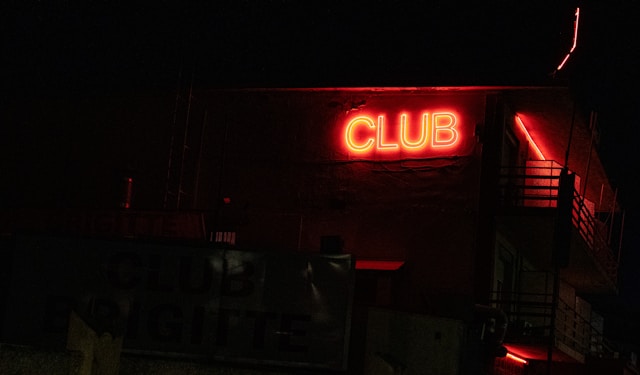
CHAMPAIGN, Ill. — Some urban nightclubs in Chicago may charge Black patrons more for drinks compared with white patrons or use other tactics to discourage their patronage, according to a new study by researchers at the University of Illinois Urbana-Champaign.
Illinois sociology department head and professor Reuben A. Buford May investigated possible discriminatory practices in pricing and access in Chicago nightclubs by sending pairs of similarly dressed Black men and white men to 30 clubs that were located in a central nightlife district. The men visited the clubs on Friday and Saturday nights over two weekends. On average, the white testers paid $12.85 each for their drinks while the two Black testers were charged about 24 cents more for the same drinks, said May, who cowrote the paper with sociology professor Matthew Soener and doctoral students Carileigh Jones and Quinesha Bentley.
The team published their findings in the journal Socius: Sociological Research for a Dynamic World.
While conducting observations in one of Chicago’s central nightlife areas prior to the study, May, who is Black, noted that on several occasions he was charged for ice in his drinks while white patrons who ordered the same drinks were not. He said that those discrepancies became the impetus for the current study.
“I never would have thought about differences in alcohol prices, especially with the point-of-sale computers that we have now where staff just have to push a button for each item,” May said. “I would not have known this if I hadn’t started seeing these extra charges and asking the people next to me what they were charged. And so it just made me wonder where this is going on and why?”
May has been examining exclusionary policies in nightclubs for nearly two decades, including bouncers using fictitious reservations lists or discriminatory dress codes to deny access to Black patrons — practices that May called “velvet rope racism” in a 2018 study. However, the problem is not unique to Chicago, as May demonstrated in that study. Using high-profile media reports, he tracked incidents of racial discrimination in access that had occurred at clubs across the U.S.
The original article has more details.
Our breaking news reveals how persistent racism remains.
Comments Are Welcome
Note: We moderate submissions in order to create a space for meaningful dialogue, a space where museum visitors – adults and youth –– can exchange informed, thoughtful, and relevant comments that add value to our exhibits.
Racial slurs, personal attacks, obscenity, profanity, and SHOUTING do not meet the above standard. Such comments are posted in the exhibit Hateful Speech. Commercial promotions, impersonations, and incoherent comments likewise fail to meet our goals, so will not be posted. Submissions longer than 120 words will be shortened.
See our full Comments Policy here.