My Black History: The Case for Black Art in an Anti-Presidential Era
Share
Explore Our Galleries









Breaking News!
Today's news and culture by Black and other reporters in the Black and mainstream media.
Ways to Support ABHM?
From: The Root
Authored by: Maiysha Kai
Anastasia_Aleksieieva for iStock
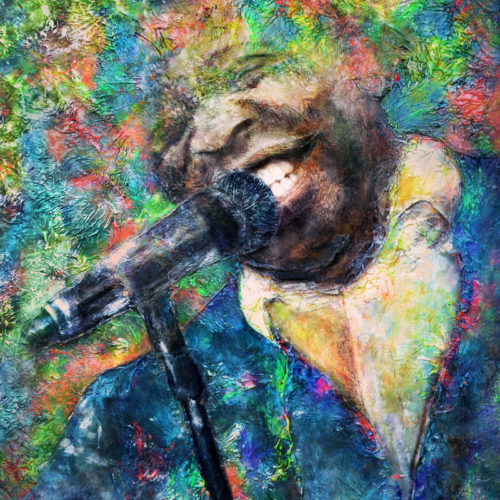
In “My Black History: The Case for Black Art in an Anti-Presidential Era”, Maiysha Kai explains the power black art holds in the current political state of the United States.
She explains how, “The Black Arts Movement that followed was a direct response to the loss of our most prominent leaders of the 1960s, as well as our subsequent rejection of the desire to assimilate into any American culture invested in our marginalization. Even hip-hop has origins in the response of black and brown youths to a society that simultaneously disenfranchised and criminalized them en masse, the tenor of which would come to a head in the turbulent rise of “gangsta rap” in the 1990s.”
Kai explains how African American’s are empowered through their art; letting their art speak social change by being an “expression of resistance but also a visible and visceral expression of the human experience.”
With the loss of an African American President, there is widespread “post-black” and “post-racial” which in turn is leading to the “rise of black art in America.”
Read more Breaking News from ABHM here!
To read the full article, check out The Root!
Comments Are Welcome
Note: We moderate submissions in order to create a space for meaningful dialogue, a space where museum visitors – adults and youth –– can exchange informed, thoughtful, and relevant comments that add value to our exhibits.
Racial slurs, personal attacks, obscenity, profanity, and SHOUTING do not meet the above standard. Such comments are posted in the exhibit Hateful Speech. Commercial promotions, impersonations, and incoherent comments likewise fail to meet our goals, so will not be posted. Submissions longer than 120 words will be shortened.
See our full Comments Policy here.