Killings of rappers are more than just a hip-hop problem, experts say
Share
Explore Our Galleries









Breaking News!
Today's news and culture by Black and other reporters in the Black and mainstream media.
Ways to Support ABHM?
By Char Adams, NBC News
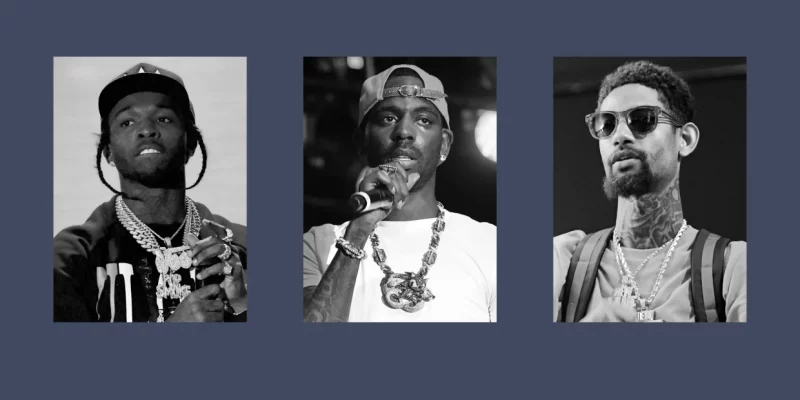
The fatal shooting of rapper Half Ounce has ignited a familiar conversation about gun violence, rap culture and whether there’s a responsibility for record labels to protect their artists.
The 32-year-old rapper, whose real name was Latauriisha O’Brien, was killed in Los Angeles’ Koreatown neighborhood Monday, just weeks after rapper PnB Rock was fatally shot during a robbery in the same city. These rappers are part of a string of artists who have died by gun violence, with at least one rapper being fatally shot every year since 2018. With other high-profile rappers such as Drakeo the Ruler, who was fatally stabbed in 2021, and Grammy-nominated rapper Nipsey Hussle also fatally shot in 2019 in Los Angeles, there has been some conversation on whether cities with a prevalent gang presence have become a dangerous place for those directly involved in the hip-hop community. Earlier this year, legendary emcee-turned-actor Ice-T issued a warning to “young rappers” who were coming to Los Angeles for Super Bowl-related festivities.
But experts say the problem is much more complex than that. Elaine Richardson, a professor at Ohio State University who specializes in African American cultures, literacy and hip-hop, said it’s important to prioritize systemic issues when we discuss the killings of rappers.
“It’s a reflection of the problem of gun violence in the larger society, and violence in general in America. You have to think critically about oppression and the larger context we live in,” she said.
Gun violence is “a part of the condition of Black people in society, everything that is dangerous and harmful to the larger society. There’s always going to be a disparity in our communities. It’s all systemic, it’s a part of the way society is structured,” Richardson added.
Continue reading Adams’ argument.
Rappers have also made the news as California considered barring their lyrics from use in court.
Check out more Black culture news.
Comments Are Welcome
Note: We moderate submissions in order to create a space for meaningful dialogue, a space where museum visitors – adults and youth –– can exchange informed, thoughtful, and relevant comments that add value to our exhibits.
Racial slurs, personal attacks, obscenity, profanity, and SHOUTING do not meet the above standard. Such comments are posted in the exhibit Hateful Speech. Commercial promotions, impersonations, and incoherent comments likewise fail to meet our goals, so will not be posted. Submissions longer than 120 words will be shortened.
See our full Comments Policy here.