Justice Department Makes Moves to Undo Certain Civil Rights Protections
Share
Explore Our Galleries









Breaking News!
Today's news and culture by Black and other reporters in the Black and mainstream media.
Ways to Support ABHM?
By Joe Jurado, The Root
According to the New York Times, the Justice Department has proposed a change to the way Title VI of the Civil Rights Act is enforced. Title VI prohibits organizations that receive federal funding from discriminating based on race, skin color, or nationality. A wide range of organizations falls under these protections including housing programs, employers, and even schools.
The change proposed by the DOJ would have the department no longer providing protections in instances where a certain policy has a “disparate impact” on non-white people. The disparate impact rule is necessary because as we know racism isn’t just someone calling you a slur; it’s typically a pattern of behavior. This rule provides a way for that behavior to be examined and then compared with other groups to prove inequity.
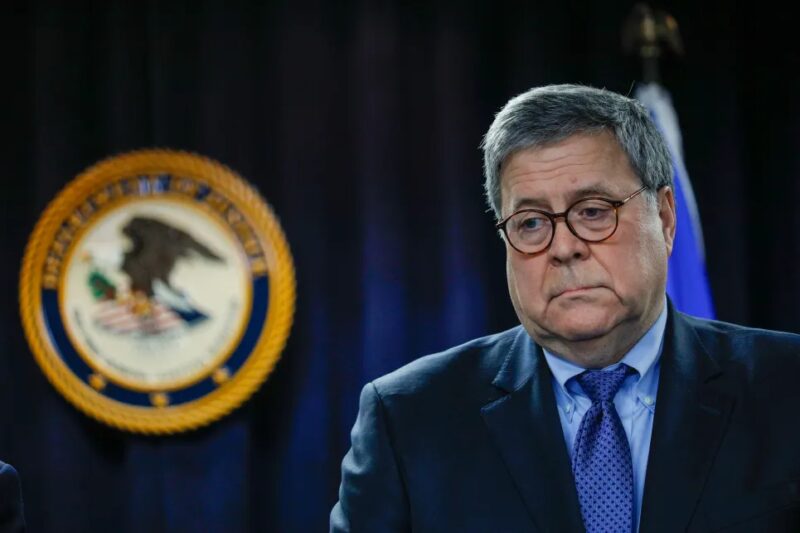
Source: Bill Pugliano (Getty Images)
Should the revision be approved by the White House, which it’s expected to, it will be the first major revision to how Title VI defines discriminatory behavior in almost 50 years.
Read the full article here
Learn more about the American Civil Rights Act here
More Breaking News here
Comments Are Welcome
Note: We moderate submissions in order to create a space for meaningful dialogue, a space where museum visitors – adults and youth –– can exchange informed, thoughtful, and relevant comments that add value to our exhibits.
Racial slurs, personal attacks, obscenity, profanity, and SHOUTING do not meet the above standard. Such comments are posted in the exhibit Hateful Speech. Commercial promotions, impersonations, and incoherent comments likewise fail to meet our goals, so will not be posted. Submissions longer than 120 words will be shortened.
See our full Comments Policy here.