Is This the End of the 2nd Reconstruction?
Share
Explore Our Galleries









Breaking News!
Today's news and culture by Black and other reporters in the Black and mainstream media.
Ways to Support ABHM?
By Henry Louis Gates Jr., The Root
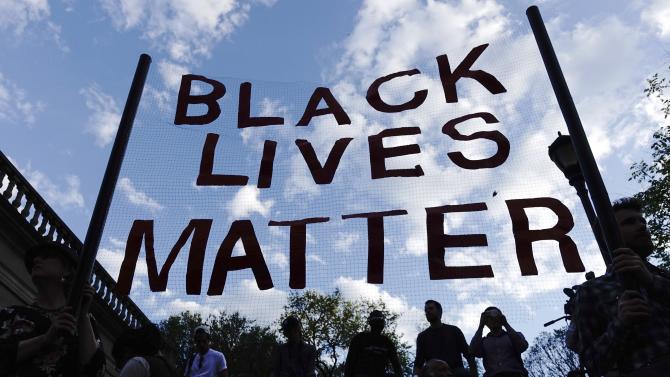
(Photo by EDUARDO MUNOZ ALVAREZ/AFP/Getty Images)
This has been a bruising time for the African-American community—as bruising as any in recent memory. The tragic deaths of Michael Brown, Tamir Rice, Eric Garner, Walter Scott, Freddie Gray, Sandra Bland, the Rev. Clementa Pinckney and the other eight victims in Charleston, S.C.—as well as others too numerous to name, but whose lives and sacrifices matter no less—shocked us all. Legions of young activists have taken to marching, tweeting, advocating and protesting in order, simply, to save lives that matter so deeply. As were so many who came before, they have been called to action by the grueling inequalities that seem to grow more vivid every day, despite the significant and stunning advances that we as a people have experienced—inequalities in education, wealth, justice, health, political representation and the safety of day-to-day living.
My concern is that the end of the Second Reconstruction is upon us now, or that there are too many in power who are trying to achieve that pernicious end. W.E.B. Du Bois said of the beginning and end of the first Reconstruction, “The slave went free; stood a brief moment in the sun; then moved back again toward slavery. The whole weight of America was thrown to color caste. The colored world went down [and a] new slavery arose.”
Following the first Reconstruction—that decade after the Civil War in which the Union was to become whole again, the slave was to become free and property was to become citizen—the economic relation of slave to master was essentially reconstituted through sharecropping and disenfranchisement mounted mischievously in fits and starts, and then confirmed and maintained as the law of the land…
The legacy of the ending of Reconstruction, the redemption of the Confederacy, was a debilitating blow to the status of the newly freed slaves and their descendants: sharecropping, convict lease (both actually forms of neo-slavery), Jim Crow and lynch laws, poll taxes and literacy tests, and the scandalous sanctioning of separate but equal as the law of the land by the U.S. Supreme Court. These are just some of the items in the catalog of horrors that kept the majority of black people systematically separate and decidedly unequal throughout the first half of the 20th century.
Read the full article here.
Learn about Reconstruction.
Read more Breaking News here.
Comments Are Welcome
Note: We moderate submissions in order to create a space for meaningful dialogue, a space where museum visitors – adults and youth –– can exchange informed, thoughtful, and relevant comments that add value to our exhibits.
Racial slurs, personal attacks, obscenity, profanity, and SHOUTING do not meet the above standard. Such comments are posted in the exhibit Hateful Speech. Commercial promotions, impersonations, and incoherent comments likewise fail to meet our goals, so will not be posted. Submissions longer than 120 words will be shortened.
See our full Comments Policy here.