‘I Won’t be Used as a Guinea Pig for White People’
Share
Explore Our Galleries









Breaking News!
Today's news and culture by Black and other reporters in the Black and mainstream media.
Ways to Support ABHM?
By Jan Hoffman, New York Times
Mistrust of vaccines runs deep in African-American communities. Against formidable odds, Father Paul Abernathy and his teams are trying to convince residence of Pittburgh’s historic Black Neighborhoods to volunteer for trials testing a Covid-19 shot.
Recruiting Black volunteers for vaccine trials during a period of severe mistrust of the federal government and heightened awareness of racial injustice is a formidable task. So far, only about 3 percent of the people who have signed up nationally are Black.
Yet never has their inclusion in a medical study been more urgent. The economic and health impacts of the coronavirus are falling disproportionately hard on communities of color. It is essential, public health experts say, that research reflect diverse participation not only as a matter of social justice and sound practice but, when the vaccine becomes available, to help persuade Black, Latino and Native American people to actually get it. (The participation of Asian people is close to their share of the population.)…
…People of color face greater exposure to the virus, in part because many work in front line and essential jobs, and have high rates of diabetes, obesity and hypertension, all of which are risk factors for severe Covid-19. But even when those factors are accounted for, people of color still appear to have a higher risk of infection, for reasons researchers cannot yet pinpoint, said Dr. Nelson L. Michael, an infectious-disease expert at the Walter Reed Army Institute of Research….
…Black and Latino people, along with Native Americans, are being hit far harder by the coronavirus than white people are. A recent analysis by the Kaiser Family Foundation shows that from March through mid-July, people of color were five times more likely to be hospitalized for Covid-19 than their white counterparts and that through Aug. 4, the rate of death among Black people, relative to their share of the population, was at least twice as high. In Allegheny County, which includes Pittsburgh, the Black population’s rates of cases and hospitalizations have been almost as stark….
Now, academic researchers at trial sites like Pittsburgh’s are turning to neighborhood leaders to attract more diverse pools of participants. The Urban League of Greater Pittsburgh sponsored an information webinar and the New Pittsburgh Courier, which has a large, African-American readership, published articles about the trial.
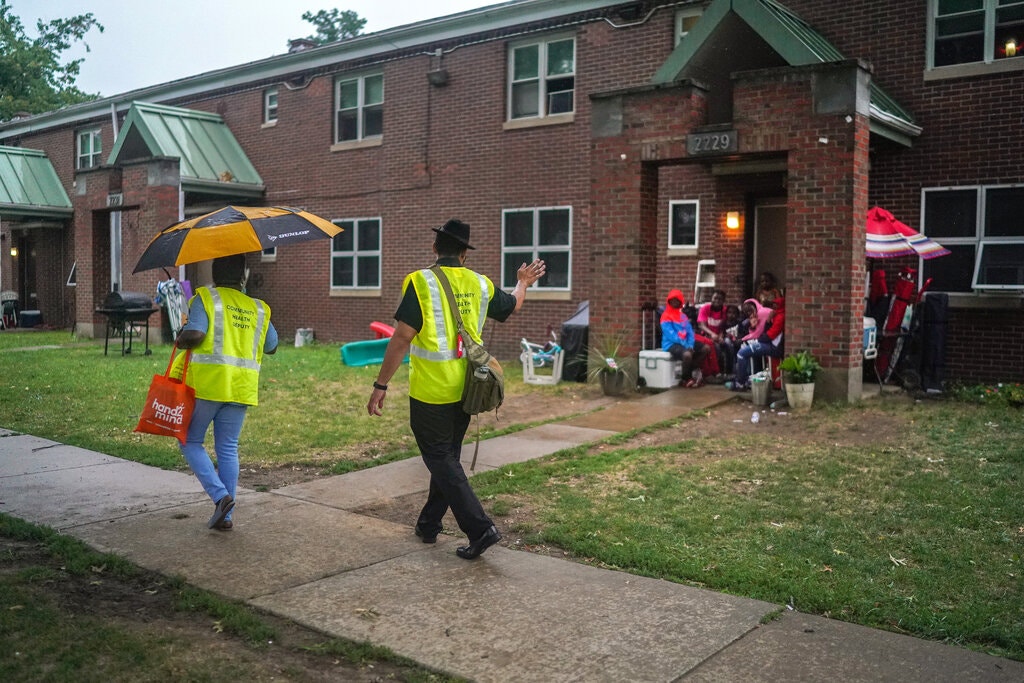
And in the Hill District, which contains the city’s oldest Black neighborhoods, volunteers from the Neighborhood Resilience Project, a faith-based initiative that offers a food bank, clothing and a health clinic, are trying to reach people where the pandemic is raging in crowded, multigenerational homes.
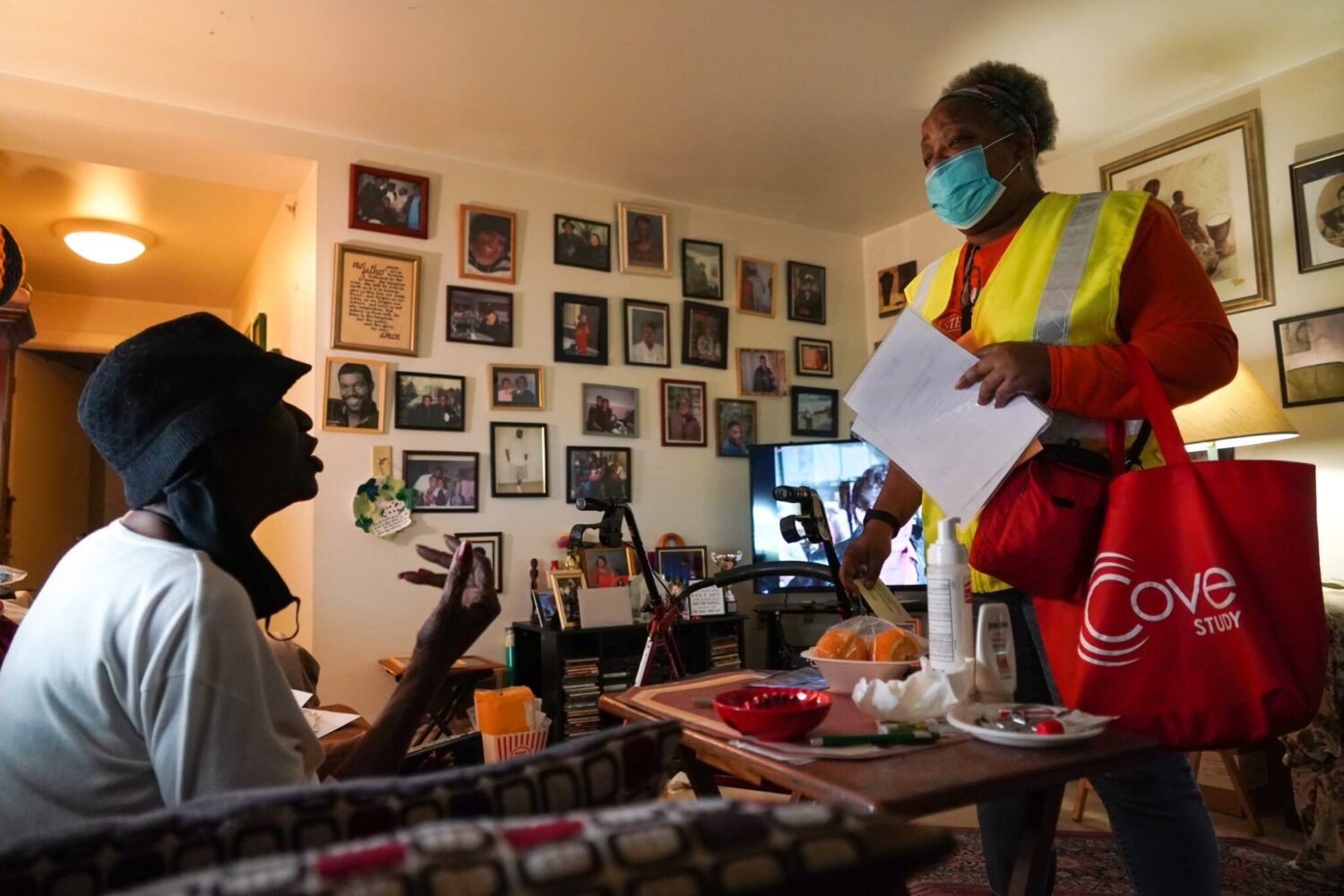
While Black people stand to benefit greatly from a coronavirus vaccine, surveys show that they are the group least likely to trust one. …
Historically, Black people have been more hesitant than other groups to get vaccines, especially the flu shot, and are also far less likely to volunteer for medical research; one study showed their participation hovering at about 5 percent. They are 13 percent of the population.
The mistrust is built on present disparities as well as a long history of abuse. Studies show that Black people in the United States have less access to good medical care than do white people and their concerns are more likely to be dismissed. Notorious medical experiments on Black people continue to exacerbate suspicion.
Read the full article here
Learn more about Coronavirus and African-Americans here and here.
More Breaking News here.
Comments Are Welcome
Note: We moderate submissions in order to create a space for meaningful dialogue, a space where museum visitors – adults and youth –– can exchange informed, thoughtful, and relevant comments that add value to our exhibits.
Racial slurs, personal attacks, obscenity, profanity, and SHOUTING do not meet the above standard. Such comments are posted in the exhibit Hateful Speech. Commercial promotions, impersonations, and incoherent comments likewise fail to meet our goals, so will not be posted. Submissions longer than 120 words will be shortened.
See our full Comments Policy here.