For African-American Women—and All Women—Let’s Make Every Day Equal Pay Day
Share
Explore Our Galleries









Breaking News!
Today's news and culture by Black and other reporters in the Black and mainstream media.
Ways to Support ABHM?
By Stephanie Schriock and Rep. Terri Sewell, The Root
When we talk about the gender pay gap, most of us are already familiar with the fact that women make just 77 cents for every dollar a man makes. While this remains true, not all women are even that fortunate. For African-American women the wage gap is even larger. African-American women make just 64 cents for every dollar earned by their white male counterparts.
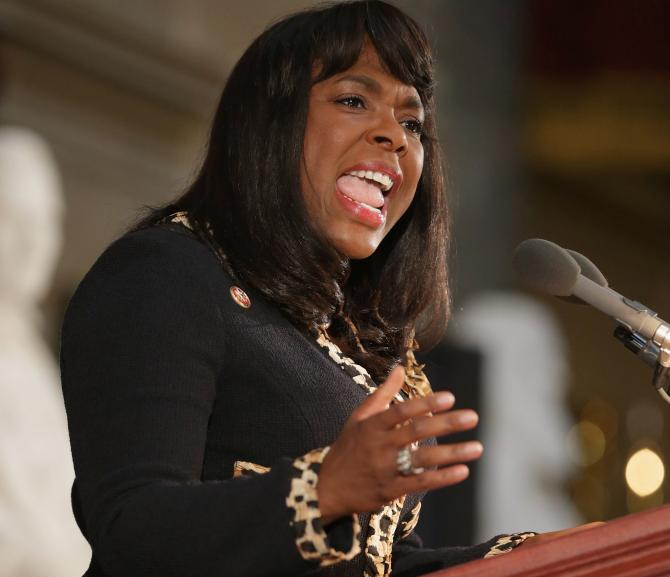
This discrepancy is unacceptable. And we need better policies and more leaders who will fight for policies that will begin to change this imbalance. We need women in elected office who will speak up for the millions of women across the country who are working hard while not being paid a fair wage.
And here’s what the wage gap really means: It takes a white man and an African-American woman vastly different amounts of time to earn the same amount of money, regardless of the fact that they started working on the same day. If they both began work on Jan. 1, 2013, he would earn a full salary by Dec. 31, 2013—while it would take until July 21, 2014, for her to earn the same amount.
That’s why today, July 21, is her Equal Pay Day.
But her paycheck doesn’t reset today. Every day the wage gap pushes her earnings further and further behind. That gap keeps growing, putting her and her family’s future in jeopardy. If we allow continuance of the pay gap, she’ll never catch up.
That’s why Democratic women in Congress are fighting to make sure Equal Pay Day is not an annual occurrence, but every day. That’s why Democratic women have been championing policies to end gender discrimination in pay for years—because we understand the economic and social consequences of allowing the pay gap to persist—discrimination that hits women of color the hardest.
Earning 64 cents on the dollar is the national statistic for African-American women. But in Alabama, that gap is even larger: African-American women in Alabama make just 56 cents for every dollar earned by their white male colleagues.
These women will not reach their Equal Pay Day until Oct. 13.
According to studies, there are more than 177,000 African-American women in Alabama working full time, year-round, making an average annual income of less than $28,000. Their annual wage gap is more than $21,000. Many of these women bring in half or more of their families’ incomes, which means that when these women lose income, the economic security and stability of their families is diminished.
Read full article here
More Breaking News here
Comments Are Welcome
Note: We moderate submissions in order to create a space for meaningful dialogue, a space where museum visitors – adults and youth –– can exchange informed, thoughtful, and relevant comments that add value to our exhibits.
Racial slurs, personal attacks, obscenity, profanity, and SHOUTING do not meet the above standard. Such comments are posted in the exhibit Hateful Speech. Commercial promotions, impersonations, and incoherent comments likewise fail to meet our goals, so will not be posted. Submissions longer than 120 words will be shortened.
See our full Comments Policy here.