Federal Court Strikes Down NC Voter ID Requirement
Share
Explore Our Galleries









Breaking News!
Today's news and culture by Black and other reporters in the Black and mainstream media.
Ways to Support ABHM?
A federal appeals court decisively struck down North Carolina’s voter identification law on Friday, saying its provisions deliberately “target African-Americans with almost surgical precision” in an effort to depress black turnout at the polls.
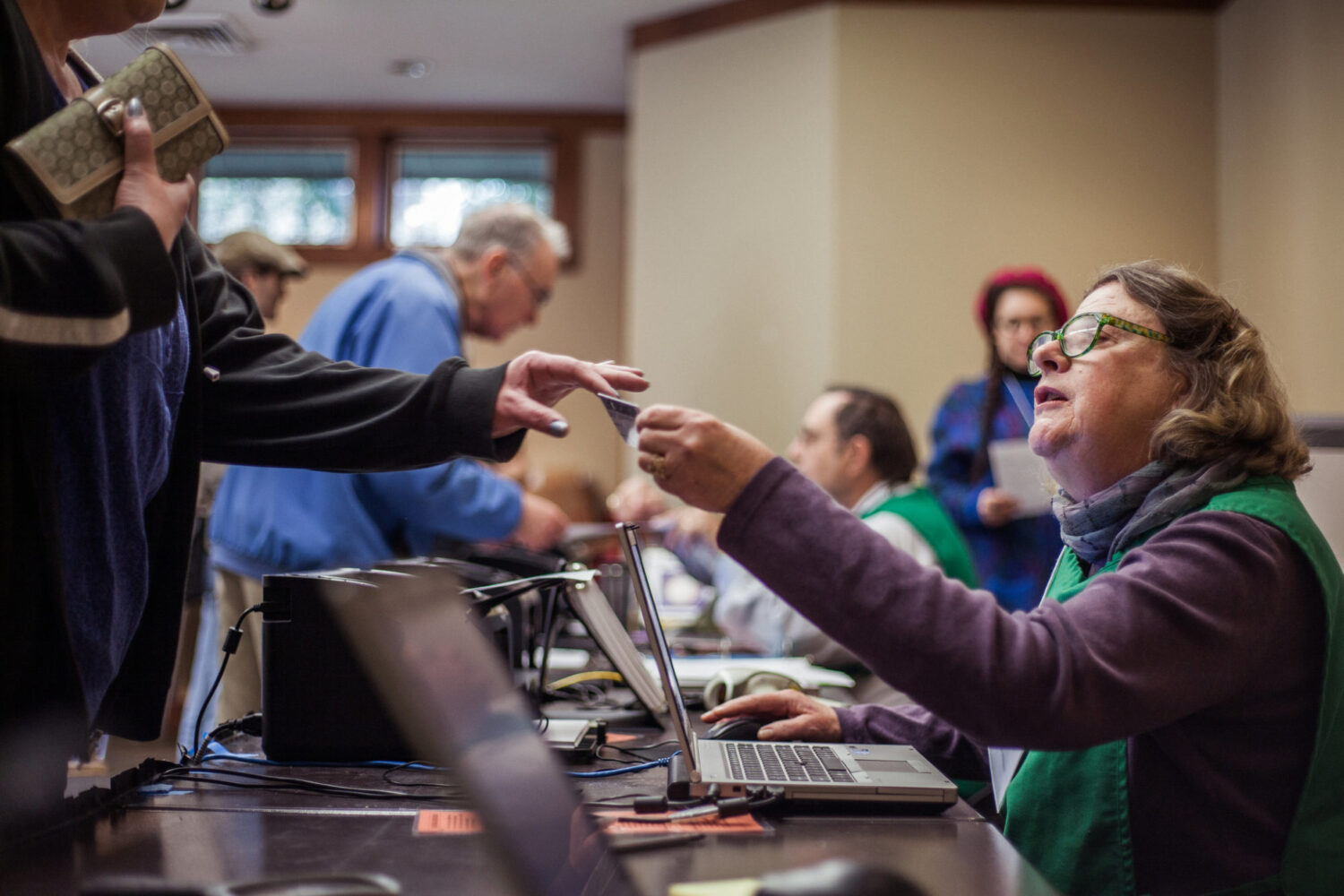
The sweeping 83-page decision by a panel of the United States Court of Appeals for the Fourth Circuit upended voting procedures in a battleground state about three months before Election Day. That ruling and a second wide-ranging decision on Friday, in Wisconsin, continued a string of recent court opinions against restrictive voting laws that critics say were created solely to keep minority and other traditionally Democratic voters away from the polls.
[…]
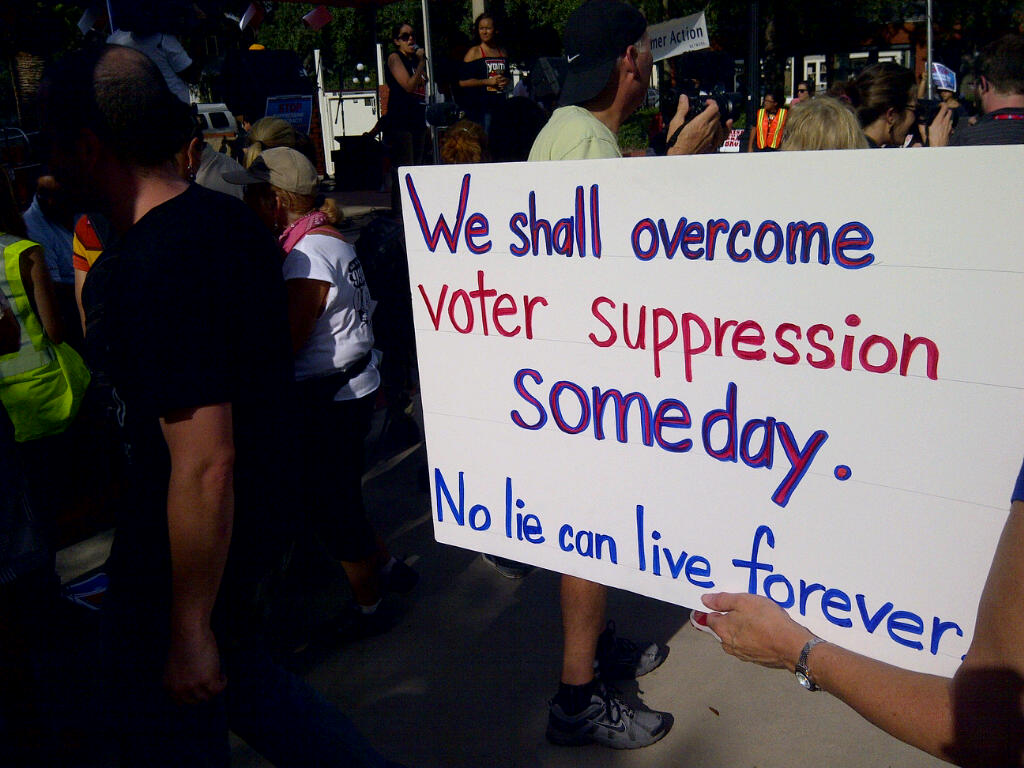
Judge Peterson’s sharply worded 119-page ruling suggested that Wisconsin’s voter restrictions, as well as voter ID restrictions in Indiana that have been upheld in the Supreme Court, exist only to suppress votes.
“The evidence in this case casts doubt on the notion that voter ID laws foster integrity and confidence,” he wrote. “The Wisconsin experience demonstrates that a preoccupation with mostly phantom election fraud leads to real incidents of disenfranchisement which undermine rather than enhance confidence in elections.’’
Read the full article here.
Meanwhile, voting maps weaken the power of the Black vote.
More Breaking News here.
Comments Are Welcome
Note: We moderate submissions in order to create a space for meaningful dialogue, a space where museum visitors – adults and youth –– can exchange informed, thoughtful, and relevant comments that add value to our exhibits.
Racial slurs, personal attacks, obscenity, profanity, and SHOUTING do not meet the above standard. Such comments are posted in the exhibit Hateful Speech. Commercial promotions, impersonations, and incoherent comments likewise fail to meet our goals, so will not be posted. Submissions longer than 120 words will be shortened.
See our full Comments Policy here.