Education Department threatens funding of any school that considers race in most aspects
Share
Explore Our Galleries









Breaking News!
Today's news and culture by Black and other reporters in the Black and mainstream media.
Ways to Support ABHM?
By Aileen Graef and Isabelle D’Antonio, CNN
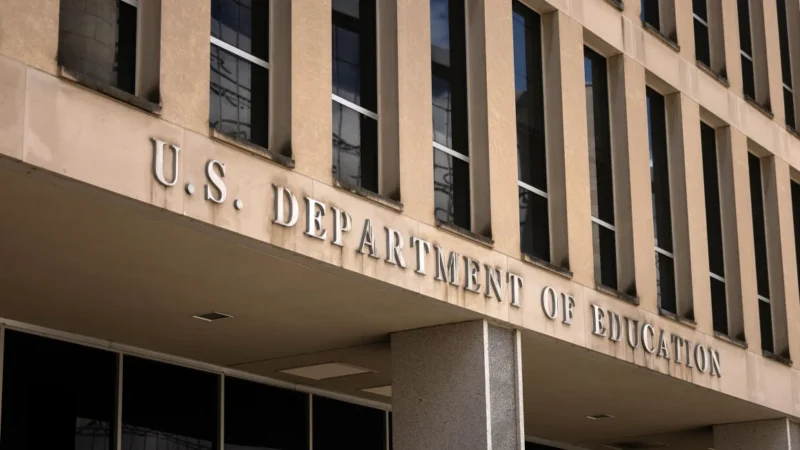
The Department of Education sent a “Dear Colleague” letter Friday threatening the federal funding of any academic institution that considers race in most aspects of student life.
The letter — geared toward all preschool, elementary, secondary and postsecondary educational institutions, as well as state educational agencies that receive financial assistance from the federal government — laid out a sweeping and controversial interpretation of federal law following the 2023 Supreme Court decision that gutted affirmative action. It’s almost certain to draw legal challenges.
“Federal law thus prohibits covered entities from using race in decisions pertaining to admissions, hiring, promotion, compensation, financial aid, scholarships, prizes, administrative support, discipline, housing, graduation ceremonies, and all other aspects of student, academic, and campus life,” wrote Craig Trainor, acting assistant secretary for civil rights for the Education Department.
The Supreme Court’s landmark 6-3 decision in Students for Fair Admissions v. Harvard overturned long-standing precedent that has benefited Black and Latino students in higher education. Donald Trump, at that time the former president, called it a “great day for America.”
Learn about the fight for equal rights at school and in the workplace.
More breaking Black news.
Comments Are Welcome
Note: We moderate submissions in order to create a space for meaningful dialogue, a space where museum visitors – adults and youth –– can exchange informed, thoughtful, and relevant comments that add value to our exhibits.
Racial slurs, personal attacks, obscenity, profanity, and SHOUTING do not meet the above standard. Such comments are posted in the exhibit Hateful Speech. Commercial promotions, impersonations, and incoherent comments likewise fail to meet our goals, so will not be posted. Submissions longer than 120 words will be shortened.
See our full Comments Policy here.