DNA project hopes to reunite African Americans in Illinois with ancestral relatives in Africa
Share
Explore Our Galleries









Breaking News!
Today's news and culture by Black and other reporters in the Black and mainstream media.
Ways to Support ABHM?
By Jennifer Johnson, Chicago Tribune
‘To actually meet a direct relative would be incredible’
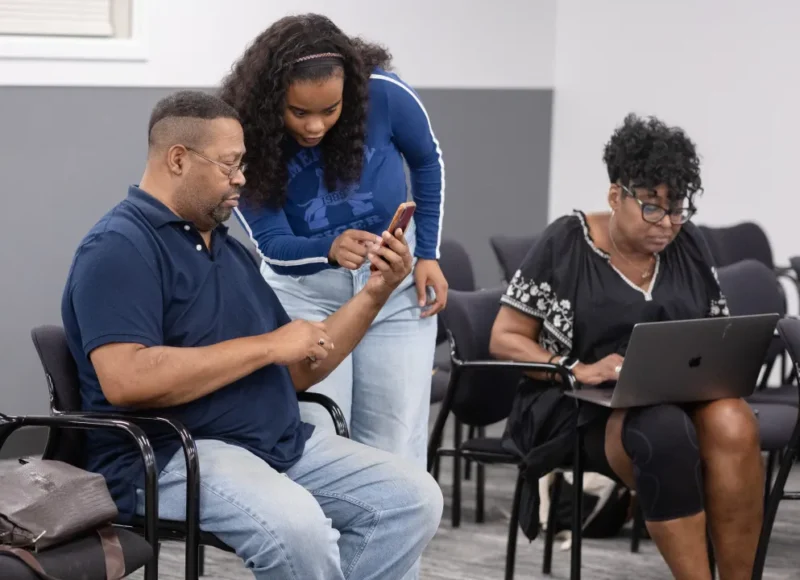
Ever since an at-home DNA test revealed a Nigerian ancestry, life-long Evanston resident Tina Penick has reflected on what might have been.
“What if we lived in Nigeria? What would that look like?” Penick mused. “What would our experiences be?”
A pause, and then one more question.
“What would my name have been?”
For African Americans, the transatlantic slave trade severed connections to country, culture, language and family—seemingly forever.
Today, a state initiative called the Illinois Family Roots Pilot Program aims to help African Americans recover their ancestral histories by introducing them to DNA relatives across the ocean.
This state-funded project, created through a bill sponsored by Rep. Carol Ammons of Urbana and budgeted at $500,000, provides free DNA tests and genomic analysis through The African Kinship Reunion (TAKiR) research project, led by principal investigator and researcher LaKisha David at the University of Illinois at Urbana-Champaign.
[…]
Through genetic analysis and genealogical research — called genetic genealogy —TaKiR identifies and explores familial connections lost due to a history of human trafficking and enslavement. The aim of this project is to give descendants of enslaved people “the opportunity to trace their roots back to their ancestral homelands, to reconnect with their ancestral heritage,” according to the language of the Family Roots state bill.
Slavery has a long impact.
Comments Are Welcome
Note: We moderate submissions in order to create a space for meaningful dialogue, a space where museum visitors – adults and youth –– can exchange informed, thoughtful, and relevant comments that add value to our exhibits.
Racial slurs, personal attacks, obscenity, profanity, and SHOUTING do not meet the above standard. Such comments are posted in the exhibit Hateful Speech. Commercial promotions, impersonations, and incoherent comments likewise fail to meet our goals, so will not be posted. Submissions longer than 120 words will be shortened.
See our full Comments Policy here.