Decades of Water Neglect Pushed This Alabama Activist Into Politics
Share
Explore Our Galleries









Breaking News!
Today's news and culture by Black and other reporters in the Black and mainstream media.
Ways to Support ABHM?
Jessica Kutz, The 19th
When federal environmental justice initiatives vanished, Carletta Davis launched a campaign for mayor to continue the fight.
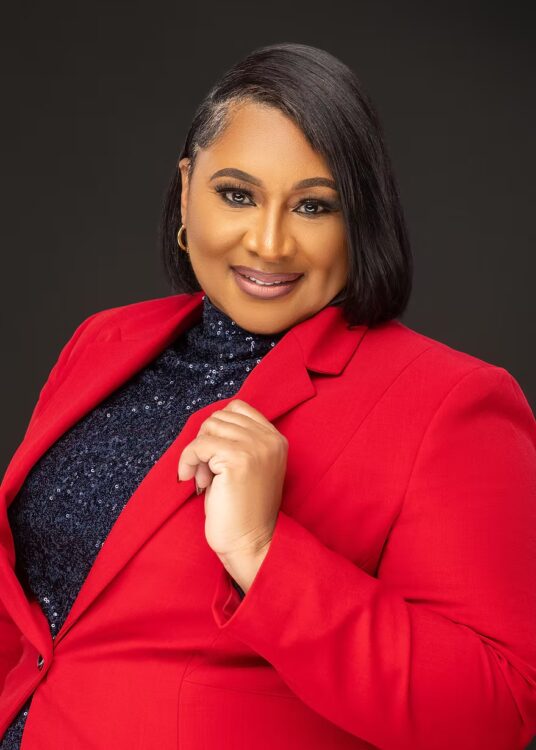
Just last year, Carletta Davis had the ear of the White House.
In July 2024, she traveled from her hometown of Prichard, Alabama, to Washington, D.C., to attend the Biden administration’s first environmental justice summit.
It was a celebration of the nearly four years of work by the administration to propel forward on a federal level the effort to ensure everyone has a clean and healthy environment. It’s a grassroots movement that, across the country, has often been led by women of color. For local environmental justice leaders like Davis, being invited to the White House after years of advocating for her hometown made it feel like her work and her community were being taken seriously by the federal government.
“We were so hopeful because, first of all, there had never been a president that elevated environmental justice to the White House,” she said.
The summit wasn’t the first time Davis felt that hope. She attended seven different convenings on President Joe Biden’s environmental justice efforts, for which he created an office to amplify support. At these events, she met other women of color from the South, who were leading the fights in their own communities and connected with federal officials. She learned how to apply for various opportunities to fund environmental justice work in Prichard and won a $500,000 grant. At the time of the summit she was finishing up an application for a second one.
[…]
With all of the inroads she’d created, Davis felt like some of that crucial funding was in reach. But a few short months later, on November 5, everything changed.
The office of environmental justice disappeared —along with funding opportunities. And a lot of what Davis had been working toward evaporated with it.
“For folks like myself who were so entrenched in the work … to have that be ripped from under us, it took me a minute to get my mojo going even just mentally,” Davis said.
Prospects for Prichard’s water system dimmed. And as the Trump administration quickly rolled back environmental regulations, Davis worried Prichard would face future threats from industry, which disproportionately burden communities like her own with pollution.
Davis realized she had to pivot. If causes like hers no longer had the support of the federal government, she needed to bring her leadership closer to home. With a mayoral election slated for August, “I knew that I had to step up and run,” she said.
Read more. Check out Davis’ campaign website.
Discover other trailblazers from the Civil Rights Movement.
Follow Trump’s changes and the pushback from people like Davis in our breaking news.
Comments Are Welcome
Note: We moderate submissions in order to create a space for meaningful dialogue, a space where museum visitors – adults and youth –– can exchange informed, thoughtful, and relevant comments that add value to our exhibits.
Racial slurs, personal attacks, obscenity, profanity, and SHOUTING do not meet the above standard. Such comments are posted in the exhibit Hateful Speech. Commercial promotions, impersonations, and incoherent comments likewise fail to meet our goals, so will not be posted. Submissions longer than 120 words will be shortened.
See our full Comments Policy here.