COVID-19
Explore Our Online Exhibits










Breaking News




Worldwide Community Events
Week 1
- Sun 1
- Mon 2
- Tue 3
- Wed 4
- Thu 5
- Fri 6
- Sat 7
- Sun 8
- Mon 9
- Tue 10
- Wed 11
- Thu 12
- Fri 13
- Sat 14
- Sun 15
- Mon 16
- Tue 17
- Wed 18
- Thu 19
- Fri 20
- Sat 21
- Sun 22
- Mon 23
- Tue 24
- Wed 25
- Thu 26
- Fri 27
- Sat 28
-
01February

Milwaukee Museum Days, 25% Off Admission
Throughout Milwaukee, WI01February
30th Annual Hilton Head Island Gullah Celebration
Hilton Head Island -
02February
30th Annual Hilton Head Island Gullah Celebration
Hilton Head Island -
03February
30th Annual Hilton Head Island Gullah Celebration
Hilton Head Island -
04February

ABHM Discounted Tours
ABHM in Milwaukee, WI04February30th Annual Hilton Head Island Gullah Celebration
Hilton Head Island -
05February
30th Annual Hilton Head Island Gullah Celebration
Hilton Head Island -
06February
30th Annual Hilton Head Island Gullah Celebration
Hilton Head Island -
07February

Pan African Film & Arts Festival 2026
LA & Culver City, CA07February30th Annual Hilton Head Island Gullah Celebration
Hilton Head Island07February 10:00 AM - 3:00 PM
Celebration of Black Innovators in Science at Discovery World
Discovery World Museum Milwaukee07February 2:00 PM - 4:30 PM
Black History Month Challenge Kickoff: ABHM @ MPL
Milwaukee Public Library, MLK Branch -
08February
Pan African Film & Arts Festival 2026
LA & Culver City, CA08February30th Annual Hilton Head Island Gullah Celebration
Hilton Head Island -
09February
Pan African Film & Arts Festival 2026
LA & Culver City, CA09February30th Annual Hilton Head Island Gullah Celebration
Hilton Head Island -
10February
Pan African Film & Arts Festival 2026
LA & Culver City, CA10February30th Annual Hilton Head Island Gullah Celebration
Hilton Head Island -
11February
ABHM Discounted Tours
ABHM in Milwaukee, WI11FebruaryPan African Film & Arts Festival 2026
LA & Culver City, CA11February30th Annual Hilton Head Island Gullah Celebration
Hilton Head Island -
12February
Pan African Film & Arts Festival 2026
LA & Culver City, CA12February30th Annual Hilton Head Island Gullah Celebration
Hilton Head Island12February
-
13February
Pan African Film & Arts Festival 2026
LA & Culver City, CA13February30th Annual Hilton Head Island Gullah Celebration
Hilton Head Island -
14February
Pan African Film & Arts Festival 2026
LA & Culver City, CA14February30th Annual Hilton Head Island Gullah Celebration
Hilton Head Island -
15February
Pan African Film & Arts Festival 2026
LA & Culver City, CA15February30th Annual Hilton Head Island Gullah Celebration
Hilton Head Island -
16February
Pan African Film & Arts Festival 2026
LA & Culver City, CA16February30th Annual Hilton Head Island Gullah Celebration
Hilton Head Island -
17February
30th Annual Hilton Head Island Gullah Celebration
Hilton Head Island -
18February
ABHM Discounted Tours
ABHM in Milwaukee, WI18February30th Annual Hilton Head Island Gullah Celebration
Hilton Head Island -
19February
30th Annual Hilton Head Island Gullah Celebration
Hilton Head Island -
20February
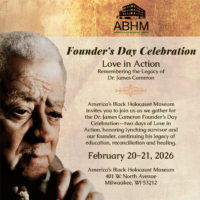
Founder’s Day Celebration
ABHM in Milwaukee, WI20February30th Annual Hilton Head Island Gullah Celebration
Hilton Head Island -
21February
Founder’s Day Celebration
ABHM in Milwaukee, WI21February30th Annual Hilton Head Island Gullah Celebration
Hilton Head Island21February
-
22February
30th Annual Hilton Head Island Gullah Celebration
Hilton Head Island -
23February
30th Annual Hilton Head Island Gullah Celebration
Hilton Head Island -
24February
30th Annual Hilton Head Island Gullah Celebration
Hilton Head Island -
25February
ABHM Discounted Tours
ABHM in Milwaukee, WI25February30th Annual Hilton Head Island Gullah Celebration
Hilton Head Island25February 4:00 PM - 6:00 PM
Museum of Me: Community Workshop with Milwaukee Repertory Theater
ABHM in Milwaukee, WI -
26February
30th Annual Hilton Head Island Gullah Celebration
Hilton Head Island -
27February
30th Annual Hilton Head Island Gullah Celebration
Hilton Head Island -
28February
30th Annual Hilton Head Island Gullah Celebration
Hilton Head Island28February
Share
A coronavirus known as SARS-CoV-2 caused the COVID-19 pandemic, which originated in China before spreading worldwide in 2020. This global pandemic was not equally destructive, however. The virus itself was more harmful to elderly people and those with pre-existing health conditions. However, economic and racial inequalities prevented some people from accessing necessary screening, treatment, or vaccines or following medical advice such as social distancing or quarantining. Medical racism also played a role during COVID-19, and some Black patients formed support groups after the medical system ignored them. The pandemic also highlighted how some medical equipment worked poorly for Black patients.
Nearly 7 million people died of COVID globally, with millions more surviving the disease that raged for multiple years. In the United States, Black people remained at risk while others decreased their concern, which was entirely warranted. African Americans experienced a higher death rate due to COVID-19 than other races, and many struggle with the effects of long COVID. Lingering illness and disability have removed some people from the workforce, while others struggle financially under the weight of caring for or losing others in their households. Funding intended for Black Americans to help mitigate these harms resulted in lawsuits. Similarly, money intended for COVID-19 support was rerouted to prisons, which had already contributed to the rapid-fire spread of COVID-19.
The pandemic prompted a shift to virtual learning, working, and communication. While some welcomed this shift, it further highlighted economic disparities for others. This also resulted in learning setbacks for students. Meanwhile, COVID-19 resurfaced distrust between the Black community and the medical establishment that stems, in part, from the Tuskegee experiment.
COVID-19 was also the backdrop of the Black Lives Matter movement, which grew after video of the May 2020 murder of George Floyd by a Minneapolis police officer surfaced online.
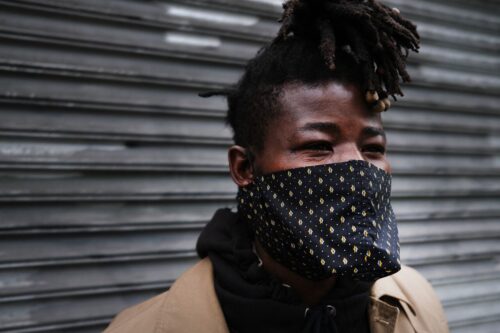
Black men are feeling conflicted about wearing masks in the time of COVID-19. Wear a mask and risk being mistaken for a thief and possibly killed. Not wearing a mask and risk contracting and dying from the virus.
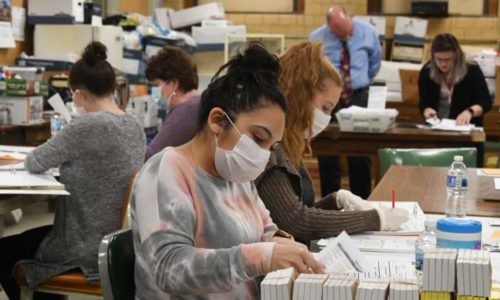
Despite a US Supreme Court decision not to postpone elections, Wisconsin voters braved the cold and coronavirus to elect a democratic supreme court justice.
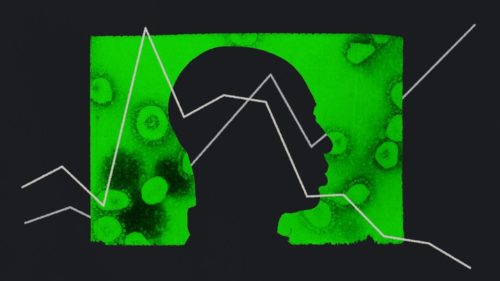
America continues to blame Black Americans for whatever ills may befall them. The coronavirus is another example of blaming the victim instead of systemic racism, that permeates all aspects of society.