Black Women Aren’t Asked To Be In Clinical Trials
Share
Explore Our Galleries









Breaking News!
Today's news and culture by Black and other reporters in the Black and mainstream media.
Ways to Support ABHM?
By Anissa Durham, Word in Black
“Black people in clinical trials.” That’s not a phrase you hear very often. In fact, the media has often said Black folks are afraid to participate in clinical trials because of historical medical mistreatment.
But a new survey by health communications company GCI Health of 500 Black women in 38 states says something different.
It’s not that Black women are unwilling to participate in clinical trials; it’s that no one ever asks.
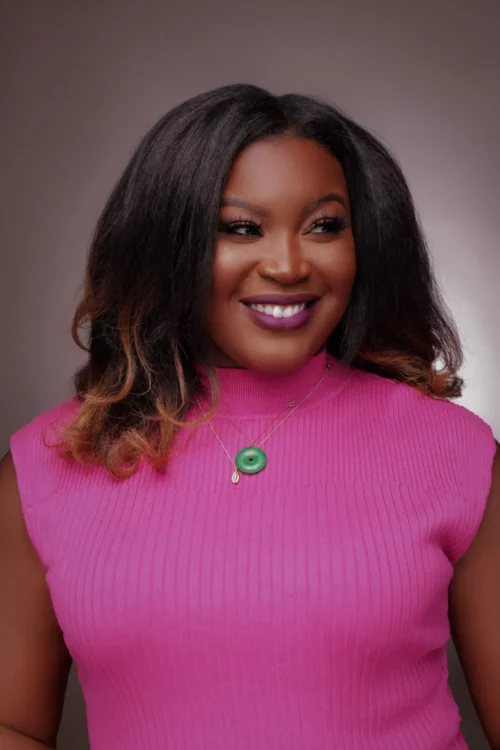
Kianta Key, group senior vice president and author of the GCI health report, tells Word In Black that researching this started with a conversation she had with her mother. Key asked if she had ever participated in a clinical trial — her mother said no one had ever asked. But, if anyone did, she would consider it.
“We’ve been making assumptions about Black women and allowing that to guide what we do. And it’s been wrong. The data shows that it’s not correct,” Key says.
Learn how patients may be invited to clinical trials–and why Black women aren’t included.
Providers also fail to give Black women information.
Comments Are Welcome
Note: We moderate submissions in order to create a space for meaningful dialogue, a space where museum visitors – adults and youth –– can exchange informed, thoughtful, and relevant comments that add value to our exhibits.
Racial slurs, personal attacks, obscenity, profanity, and SHOUTING do not meet the above standard. Such comments are posted in the exhibit Hateful Speech. Commercial promotions, impersonations, and incoherent comments likewise fail to meet our goals, so will not be posted. Submissions longer than 120 words will be shortened.
See our full Comments Policy here.