Black social media’s voice is critical in pursuing justice, experts say
Share
Explore Our Galleries









Breaking News!
Today's news and culture by Black and other reporters in the Black and mainstream media.
Ways to Support ABHM?
By Char Adams, NBC News
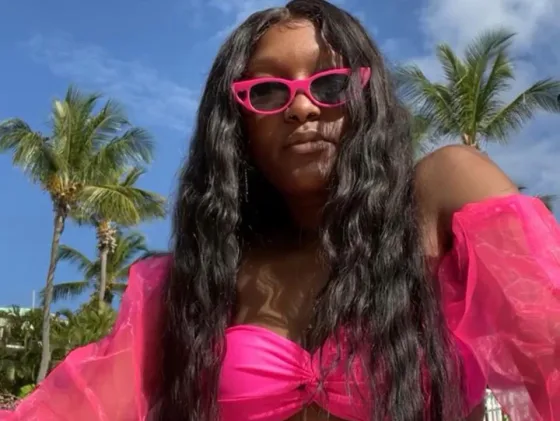
Salamondra Robinson said she is sure she’ll see justice for her daughter, 25-year-old Shanquella Robinson, who was found dead late last month in Mexico. But she never imagined so many strangers would rally behind her and her family.
“It feels really good to see the help coming in,” Salamondra told NBC News. She said she doesn’t believe Robinson’s death would have gotten so much attention from authorities and media outlets if it weren’t for Black social media users highlighting the case.
“I never thought she wouldn’t get justice because we were going to try to go all the way,” she added. “But I appreciate everything that everybody’s done, however you’ve played a part in it.”
Robinson, of Charlotte, North Carolina, was found dead at a villa in Cabo San Lucas on Oct. 29. Her death, first reported by local news outlets in North Carolina and Black-centered blog sites, was heart-wrenching to Black social media users. Robinson was vacationing with six friends at the Mexican resort, arriving on Oct. 28. She was dead less than 24 hours later with friends claiming she had alcohol poisoning, the family said. However, a video later surfaced allegedly showing Robinson being physically attacked in a room. NBC News has not verified the video is of Robinson.
Posts about Robinson’s death went viral on Twitter, Facebook, Instagram and Tik Tok. Now, less than a month later, her family, social media users and experts are acknowledging the power of Black social media support, saying it was crucial keeping attention on her case.
“Social media has been around and has been used as an amplification and social justice tool for almost a decade,” said Sherri Williams, a professor of race, media and communication at American University. “Black folks know that mainstream news media has a history of completely ignoring our stories. So we’ve been using these tools to amplify our stories ourselves. And it works! We see this cycle of mainstream news media basically following the chatter on Black social media.”
Social media was crucial for getting a guilty verdict in the case of George Floyd.
Comments Are Welcome
Note: We moderate submissions in order to create a space for meaningful dialogue, a space where museum visitors – adults and youth –– can exchange informed, thoughtful, and relevant comments that add value to our exhibits.
Racial slurs, personal attacks, obscenity, profanity, and SHOUTING do not meet the above standard. Such comments are posted in the exhibit Hateful Speech. Commercial promotions, impersonations, and incoherent comments likewise fail to meet our goals, so will not be posted. Submissions longer than 120 words will be shortened.
See our full Comments Policy here.