Black Joy Quilts: Sewing the Future, Stitching the Past
Share
Explore Our Galleries









Breaking News!
Today's news and culture by Black and other reporters in the Black and mainstream media.
Ways to Support ABHM?
By MacKenzie Foy, AL.com
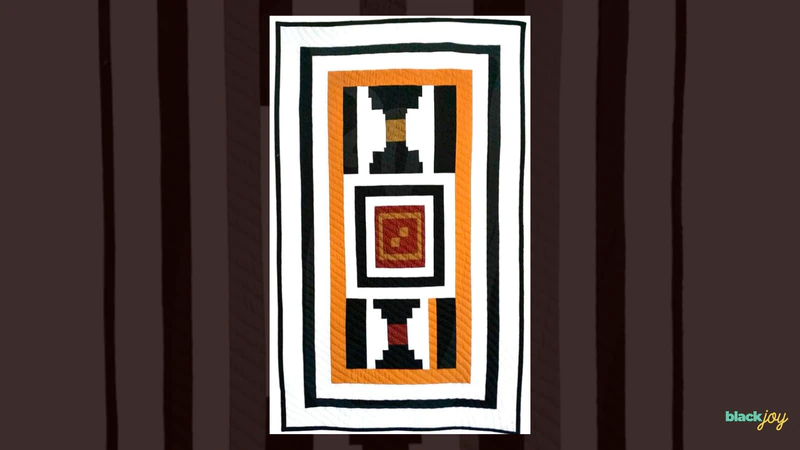
“Black American culture can be understood as an interwoven tapestry of dialects, foodways, spiritual systems, and community-based customs that have endured for hundreds of years. Like jazz, hip-hop, and soul food, quilting is one of the many art forms emerging from this rich heritage.”
Imani Bashir, “How Quilts Became a Canvas for Black American Artists to Preserve History”
[…]
Since the 17th century, Black women have used quilts as maps toward freedom, a way of transforming recycled fabric into stylish statement bedding, a tool for warmth and comfort and fine art representing our history, lineage and love. They are bestowed as blessings during holidays, births and weddings. In addition to being a treasured gift, quilts allow their makers to receive a moment of stillness, calm and concentration.
“It is perhaps fitting that quilters, working in a medium with deep roots in nurturance, are necessarily healed by our work,” writes author and curator, Carolyn Mazloomi in her book, “Spirits of the Cloth: Contemporary African American Quilts.” Quilts soothe our wounds, calm our spirits, and enable us to find solace in a world in which we are so often responsible for the needs of others.”
Head to the original article to learn about fiber artists such as Faith Ringgold and Torreah “Cookie” Washington.
Learn more about Faith Ringgold, the historic AIDS quilt, or Louisana’s Heritage Quilt.
More breaking news here.
Comments Are Welcome
Note: We moderate submissions in order to create a space for meaningful dialogue, a space where museum visitors – adults and youth –– can exchange informed, thoughtful, and relevant comments that add value to our exhibits.
Racial slurs, personal attacks, obscenity, profanity, and SHOUTING do not meet the above standard. Such comments are posted in the exhibit Hateful Speech. Commercial promotions, impersonations, and incoherent comments likewise fail to meet our goals, so will not be posted. Submissions longer than 120 words will be shortened.
See our full Comments Policy here.