Black diabetes patients welcome Eli Lilly’s price cap, but say systemic medical barriers remain
Share
Explore Our Galleries









Breaking News!
Today's news and culture by Black and other reporters in the Black and mainstream media.
Ways to Support ABHM?
Claretta Bellamy, NBCBLK
The price cap will have a major effect on Black people with diabetes, who are more prone to struggle to pay for insulin.
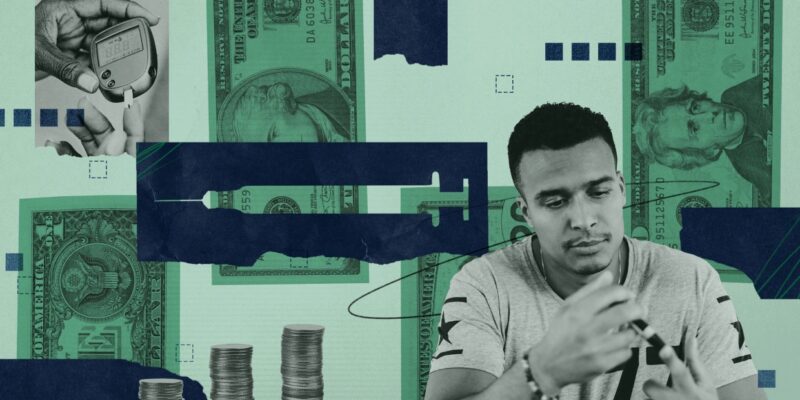
The news last week that the drugmaker Eli Lilly will cap out-of-pocket costs for its insulin at $35 per month brought relief to some. But what remains are systemic problems with insurance coverage and misdiagnosis that continue to challenge many with diabetes.
Mila Clarke, 33, is among the 12% of Black Americans who have been diagnosed with diabetes, the second-highest rate behind Native Americans.
After she was told by her doctor that she had Type 2 diabetes, Clarke familiarized herself with insurance copay cards and patient programs that provide assistance from insulin manufacturers. If she hadn’t, “I would have walked out of the pharmacy paying $2,000 for a 30-day supply of insulin, which is like rent or a mortgage,” she said. “Like, nobody can pay that every single month just to stay alive.”
Continue reading on how black people are medically disenfranchised
Black communities were also disproportionately affected during COVID-19
Catch up on more breaking news here
Comments Are Welcome
Note: We moderate submissions in order to create a space for meaningful dialogue, a space where museum visitors – adults and youth –– can exchange informed, thoughtful, and relevant comments that add value to our exhibits.
Racial slurs, personal attacks, obscenity, profanity, and SHOUTING do not meet the above standard. Such comments are posted in the exhibit Hateful Speech. Commercial promotions, impersonations, and incoherent comments likewise fail to meet our goals, so will not be posted. Submissions longer than 120 words will be shortened.
See our full Comments Policy here.