Black Brazilians in remote ‘quilombo’ hamlets stand up to be counted
Share
Explore Our Galleries









Breaking News!
Today's news and culture by Black and other reporters in the Black and mainstream media.
Ways to Support ABHM?
By Jimin Kang and Amanda Perobelli, Reuters
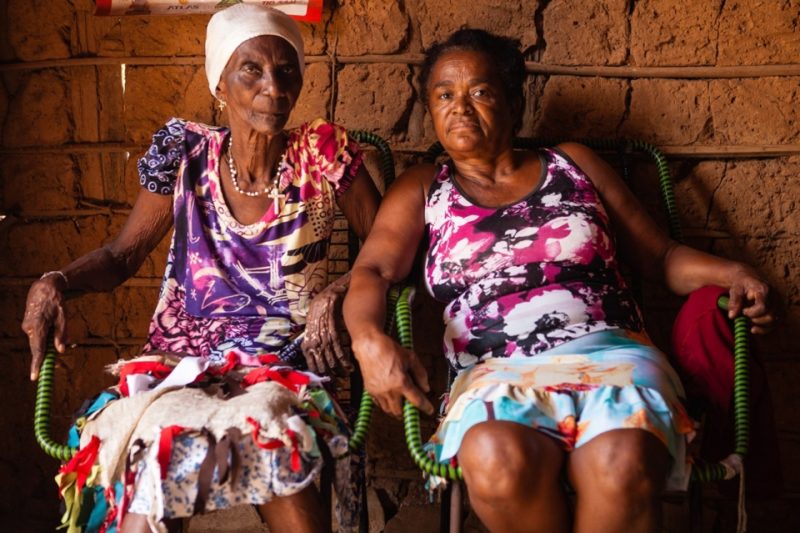
For the first time in its 132-year history, the Brazilian census now underway includes a question counting members of the “quilombo” communities founded by runaway slaves.
On Ilha de Mare, an island with several quilombos off the coast of Salvador, in northeast Brazil, this chance to be counted is one step in a political transformation for which local organizers have long been fighting.
“Being part of the census is a strategy for us, a strategy for resistance and change,” says 52-year-old Marizelha Carlos Lopes, a local activist and fisherwoman on the island, where 93% of people identify as Black. “One of our objectives is to escape an intentional invisibility.”
[…]
Together, Brazil’s updated census and the rising number of Black candidates are part of a slow reckoning with centuries of slavery that ended only in 1888, making Brazil the last country in the world to abolish the practice.
Read about this significant change.
The United States has its own communities of former slavers, including the Gullah Geechee, the creators of the song Kumbaya.
Get more breaking Black culture and history news.
Comments Are Welcome
Note: We moderate submissions in order to create a space for meaningful dialogue, a space where museum visitors – adults and youth –– can exchange informed, thoughtful, and relevant comments that add value to our exhibits.
Racial slurs, personal attacks, obscenity, profanity, and SHOUTING do not meet the above standard. Such comments are posted in the exhibit Hateful Speech. Commercial promotions, impersonations, and incoherent comments likewise fail to meet our goals, so will not be posted. Submissions longer than 120 words will be shortened.
See our full Comments Policy here.