Leaning In While Black
Share
Explore Our Galleries









Breaking News!
Today's news and culture by Black and other reporters in the Black and mainstream media.
Ways to Support ABHM?
By Tamara Winfrey Harris, In These Times
Can Facebook COO Sheryl Sandberg’s manifesto speak to women of color?

James Brown may have left this mortal coil, but one of his most famous pronouncements is as true today as in 1966: “This is a man’s world.” Only 17 of the world’s 193 countries are led by women; in the United States, women hold just 14 percent of executive officer positions and 18 percent of congressional seats.
Numerous researchers have looked into why this glass ceiling persists. In a 2003 study on gender, success and likeability, professors from Columbia Business School and New York University found that a successful “Howard” is viewed as more appealing than a “Heidi” with identical accomplishments and personality traits. Women’s careers are also hampered by a culture that insists that men should be primary providers and women primary nurturers and housekeepers, forcing women to make hard decisions between work and family. And that is just a fraction of the story of inequity. It is no wonder many women back away from their ambition.
According to Sheryl Sandberg, Facebook COO and author of the self-described feminist manifesto Lean In: Women, Work, and the Will to Lead, this disparity in power and achievement can be attributed to systemic gender inequality and cultural biases, but also to something else: the way women are acculturated to respond, often subconsciously, to these factors. Sandberg calls on women to “lean in”: to act with boldness and confidence; to “sit at the table” where decisions are made; to choose life partners who support their careers; and to not put those careers on hold for marriage and babies before those things are a reality.
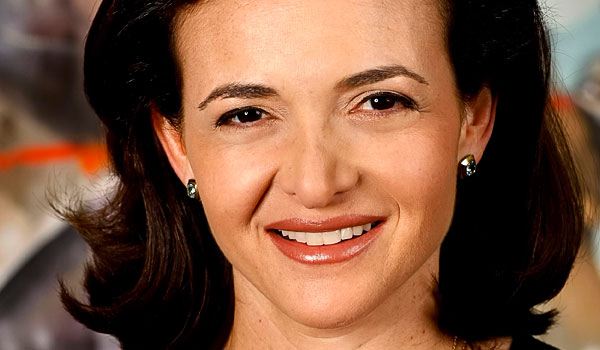
Whether Sandberg, from her perch at the pinnacle of a tech behemoth, is the right person to lead a revolution for less-privileged women has been the topic of much debate. But bits of the author’s wisdom may “click” for particular readers in unexpected ways. Sandberg’s message about choosing supportive partners made me blink, because it stands in stark contrast to advice directed toward a particular segment of professional women. Thanks to concerns about low marriage rates among African Americans, professional black women are bombarded with warnings about careerism and success. A burgeoning genre of advice books instructs straight black women to, in effect, “lean back” in order to attract men.
[…]
Black women, especially highly successful ones, are expected to sacrifice achievement for the alleged greater good of traditional marriage. And they are encouraged to think more about being chosen than choosing—making themselves attractive to men by conforming to an outdated template of femininity rather than, as Sandberg suggests, selecting a supportive mate interested in a 50/50 partnership.
Sandberg counsels that choosing a mate is one of the most important decisions a working woman will make. If that is true, lack of support, in addition to systemic sexism and racism, may explain why black women fare worse than their white counterparts in the halls of power.
Read the full article here.
Read more Breaking News here.
Comments Are Welcome
Note: We moderate submissions in order to create a space for meaningful dialogue, a space where museum visitors – adults and youth –– can exchange informed, thoughtful, and relevant comments that add value to our exhibits.
Racial slurs, personal attacks, obscenity, profanity, and SHOUTING do not meet the above standard. Such comments are posted in the exhibit Hateful Speech. Commercial promotions, impersonations, and incoherent comments likewise fail to meet our goals, so will not be posted. Submissions longer than 120 words will be shortened.
See our full Comments Policy here.