On day he’s inducted into Pro Football Hall of Fame, NFL player Roger Craig reveals dementia diagnosis
Share
Explore Our Galleries









Breaking News!
Today's news and culture by Black and other reporters in the Black and mainstream media.
Ways to Support ABHM?
Brandon Caldwell, Thegrio
Craig, the first player to rush for 1,000 yards and catch for 1,000 yards in a single season, turned his HOF speech into a moment of awareness.
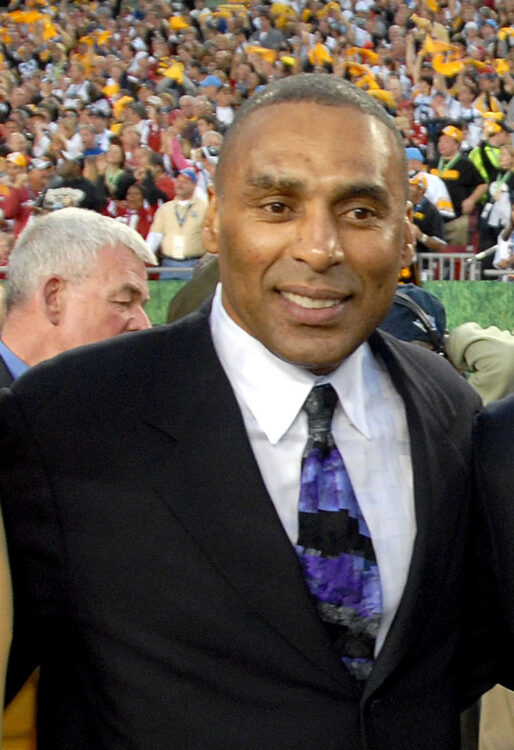
For fans of the San Francisco 49ers, Saturday was supposed to be a day to honor Roger Craig.
The three-time Super Bowl winner during their dynasty in the 1980s made NFL history as the first player to run for 1,000 yards and receive for 1,000 yards in a single season. But on Saturday, his voice gave way not only to his accomplishments on the football field, but also to what he’d be dealing with off the field.
In a pre-taped message, Craig revealed he’d been diagnosed with vascular dementia. Doctors believe that the diagnosis came due in part to the concussions Craig endured while playing football.
“Over time, my family noticed it too and ultimately led us to seek answers from my doctor,” Craig said. “Two things can be true: Football gave me opportunities beyond anything I could imagine. It helped shape the man I became. At the same time, we know more today about brain health than when I played, and I hope sharing my story encourages people to pay attention to their health and seek help when something doesn’t feel right.”
He added, “I want people to know that this diagnosis doesn’t define me. I am still Roger Craig. I am still a father, still a husband, a teammate, a friend and someone who loves this game and the people who brought it to my life. If sharing my story helps even one family or one former player, then it’s worth it. Football gave me everything: opportunity, discipline, lifelong friends and the platform to grow as a man. This honor belongs to my parents who started it all.”
Learn more about Craig.
Comments Are Welcome
Note: We moderate submissions in order to create a space for meaningful dialogue, a space where museum visitors – adults and youth –– can exchange informed, thoughtful, and relevant comments that add value to our exhibits.
Racial slurs, personal attacks, obscenity, profanity, and SHOUTING do not meet the above standard. Such comments are posted in the exhibit Hateful Speech. Commercial promotions, impersonations, and incoherent comments likewise fail to meet our goals, so will not be posted. Submissions longer than 120 words will be shortened.
See our full Comments Policy here.