Facial Recognition Lawsuits Spotlights How AI Is Weaponized Against Black People
Share
Explore Our Galleries









Breaking News!
Today's news and culture by Black and other reporters in the Black and mainstream media.
Ways to Support ABHM?
By Bilal G Morris, NewsOne
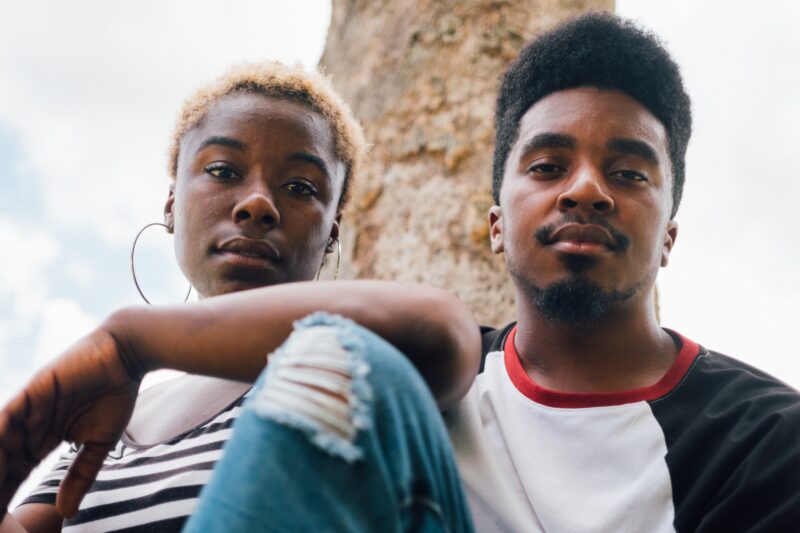
Alawsuit filed in Atlanta this month is drawing attention to how AI is being weaponized against Black people by law enforcement.
According to NBC News, on Sept. 8, Randal Quran Reid filed a lawsuit in federal court that alleges he was arrested using AI that identified him as a man wanted for crimes in Louisiana. But Reid, who prefers to be called Quran, says he’s never visited Louisiana and blames the misuse of facial recognition technology for his false arrest.
“I was confused and I was angry because I didn’t know what was going on,” Quran told the Associated Press. “They couldn’t give me any information outside of, ‘You’ve got to wait for Louisiana to come take you,’ and there was no timeline on that.”
[…]
But Quran isn’t the only Black person who has filed a lawsuit against law enforcement for its false arrests due to misuse of facial recognition technology. According to NBC News, five Black plaintiffs have filed lawsuits against law enforcement in recent years, all blaming facial recognition technology for being misidentified and wrongly arrested.
Can we really say Black Americans are free at last?
Comments Are Welcome
Note: We moderate submissions in order to create a space for meaningful dialogue, a space where museum visitors – adults and youth –– can exchange informed, thoughtful, and relevant comments that add value to our exhibits.
Racial slurs, personal attacks, obscenity, profanity, and SHOUTING do not meet the above standard. Such comments are posted in the exhibit Hateful Speech. Commercial promotions, impersonations, and incoherent comments likewise fail to meet our goals, so will not be posted. Submissions longer than 120 words will be shortened.
See our full Comments Policy here.