For Black people, the mental effects of police killings linger
Share
Explore Our Galleries









Breaking News!
Today's news and culture by Black and other reporters in the Black and mainstream media.
Ways to Support ABHM?
“It’s not a post-traumatic stress disorder or injury because we’re not in a post-racist society. It’s something we have to deal with every day,” one expert said.
By Minyvonne Burke, NBC News
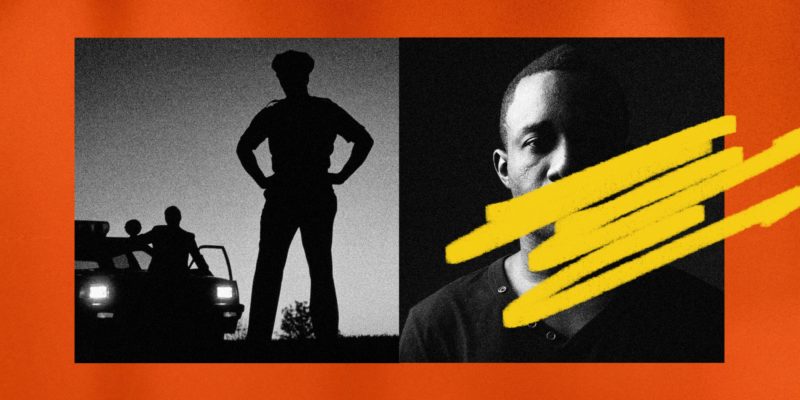
NBC News; Getty Images
Michelle Kenney still has nights when she stays up crying over the death of her son, Antwon Rose II, a 17-year-old high school student who was shot three years ago by an East Pittsburgh, Pennsylvania, police officer.
Time has also not healed the pain Zion Carr grapples with after witnessing the shooting death of his aunt, Atatiana Jefferson, by a Fort Worth, Texas, police officer in 2019.
And it has not lifted the weight Darnella Frazier still carries after she filmed a video last year of former Minneapolis Police Officer Derek Chauvin kneeling on George Floyd’s neck, killing him.
For victims’ relatives, witnesses and those who are subjected to replays of videos of police brutality against Black people, there’s no such thing as getting over the trauma it causes, according to experts.
William A. Smith, a professor of ethnic studies and chair of the education, culture and society department at the University of Utah, has done extensive research on how trauma affects marginalized groups, especially Black people. He’s coined the term “racial battle fatigue” to describe how continued acts of aggression or discrimination can lead to anxiety, stress and even health issues.
“It’s a systemic race-related repetitive stress injury,” Smith said. “It’s not a post-traumatic stress disorder or injury because we’re not in a post-racist society. It’s something we have to deal with every day.”
Trauma “doesn’t leave you,” said Rufus Tony Spann, a licensed professional counselor and a Forbes health adviser.
“So a lot of times we may say PTSD thinking that it’s post-trauma, but for many people, it could be continuous trauma,” he said. “And a continuous trauma is that I experienced an actual event that either has shocked me, it has changed my thought process or instilled fear in me.”
That fear is what prompted Zion’s mother, Amber Carr, to file a federal lawsuit in September, saying the now 9-year-old suffers from “anxiety, terror and agony” from witnessing Jefferson’s death.
Read the full article here.
More Breaking News here.
Comments Are Welcome
Note: We moderate submissions in order to create a space for meaningful dialogue, a space where museum visitors – adults and youth –– can exchange informed, thoughtful, and relevant comments that add value to our exhibits.
Racial slurs, personal attacks, obscenity, profanity, and SHOUTING do not meet the above standard. Such comments are posted in the exhibit Hateful Speech. Commercial promotions, impersonations, and incoherent comments likewise fail to meet our goals, so will not be posted. Submissions longer than 120 words will be shortened.
See our full Comments Policy here.